Have you ever taken a necklace, ring, or pair of earrings out of storage only to find that its surface has become dull or discolored? Jewelry can tarnish even when it is not being worn because chemical reactions can continue while pieces are stored.
Although tarnishing is a common concern, it does not affect every material in the same way. Understanding what causes it and how to store jewelry properly can help preserve its appearance and reduce unnecessary wear.
Tarnishing is a chemical reaction that changes the surface of certain metals, often resulting in darkening, discoloration, or a loss of shine. It is especially common in sterling silver, but some other metals and plated jewelry can also change appearance over time.
Several environmental factors can contribute to this process.
Silver can react with sulfur-containing compounds in the air, forming a dark layer of silver sulfide on its surface. These compounds may come from everyday environmental sources, including pollution and certain household materials.
This is why silver jewelry can tarnish even when it remains untouched in a jewelry box. Simply putting a piece away does not eliminate its exposure to the surrounding environment.
High humidity can contribute to conditions that accelerate tarnishing and corrosion, depending on the metal and other substances present.
Jewelry stored in damp bathrooms, near sinks, or in poorly ventilated spaces may be more exposed to moisture. Sweat and water left on jewelry after use can also contribute to surface changes.
For this reason, jewelry should be dried appropriately before being stored.
Perfume, cosmetics, lotions, hairspray, and cleaning products may leave residues on jewelry or expose it to chemicals that affect its finish.
Applying these products directly onto jewelry can increase the likelihood of discoloration or surface buildup. A better routine is to apply cosmetics and fragrances first, allow them to dry, and put jewelry on afterward.
When jewelry is stored together without separation, pieces can rub against one another. This may cause scratches, tangles, or damage to delicate finishes.
Although physical contact is not the main chemical cause of tarnishing, poor organization can make jewelry more difficult to maintain and may contribute to visible wear.
Keeping pieces separated is particularly important for delicate chains, polished metals, and jewelry with gemstones.
No. Different jewelry materials react differently to their surroundings.
Sterling silver is particularly susceptible to tarnishing because silver reacts with sulfur compounds. Regular cleaning and appropriate storage can help manage this process.
Gold jewelry behaves differently depending on its purity and alloy composition. Pure gold is highly resistant to tarnishing, while the other metals used in gold alloys may react with environmental substances.
Gold-plated jewelry has a thin surface layer of gold over another material. The plating can wear away over time, exposing the underlying metal, which may discolor.
Costume jewelry can contain a variety of base metals, coatings, and adhesives. Its durability and resistance to discoloration depend on the materials and construction.
Because every piece is different, always follow the care instructions appropriate to its material and any gemstones it contains.
While tarnishing cannot always be prevented completely, the right storage habits can help reduce exposure to common causes.
Remove sweat, oils, and cosmetic residue using a cleaning method suitable for the specific material. Use a soft cloth for routine care, and avoid harsh chemicals or abrasive materials unless the jewelry manufacturer confirms they are safe.
Jewelry containing delicate gemstones, pearls, or special coatings may require specific cleaning methods.
Make sure jewelry is dry before putting it away. Choose a storage location away from excessive moisture, and avoid leaving jewelry exposed in humid areas for extended periods.
For pieces that require extra care, consult a jeweler about suitable storage materials and moisture-control options.
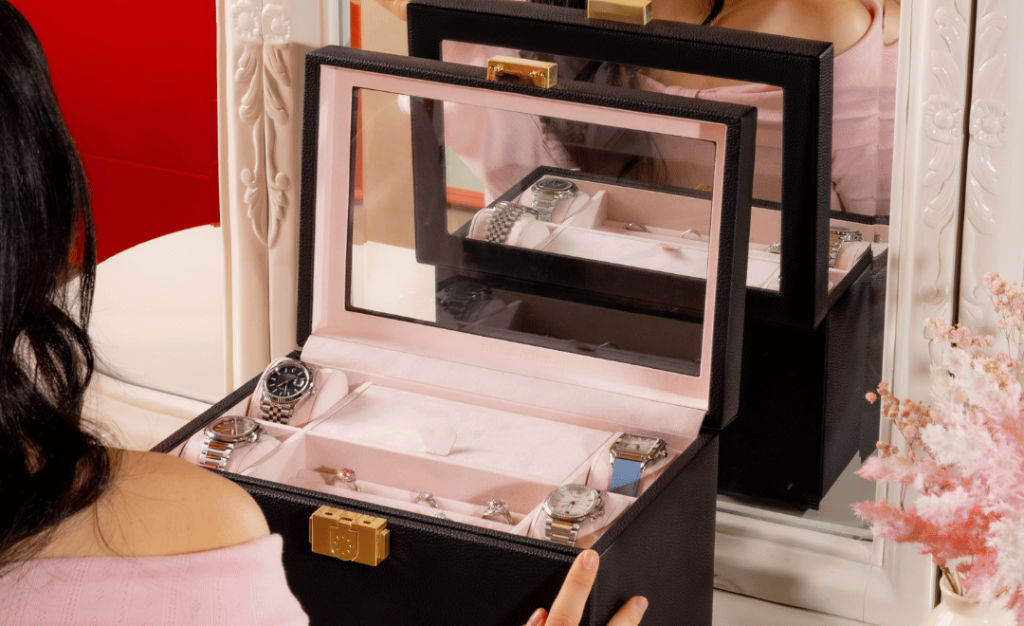
Use individual compartments or soft pouches to separate necklaces, rings, bracelets, and earrings. This helps minimize friction, prevents chains from tangling, and makes it easier to find the piece you want.
Separate storage is particularly useful for collections that contain jewelry made from different metals.
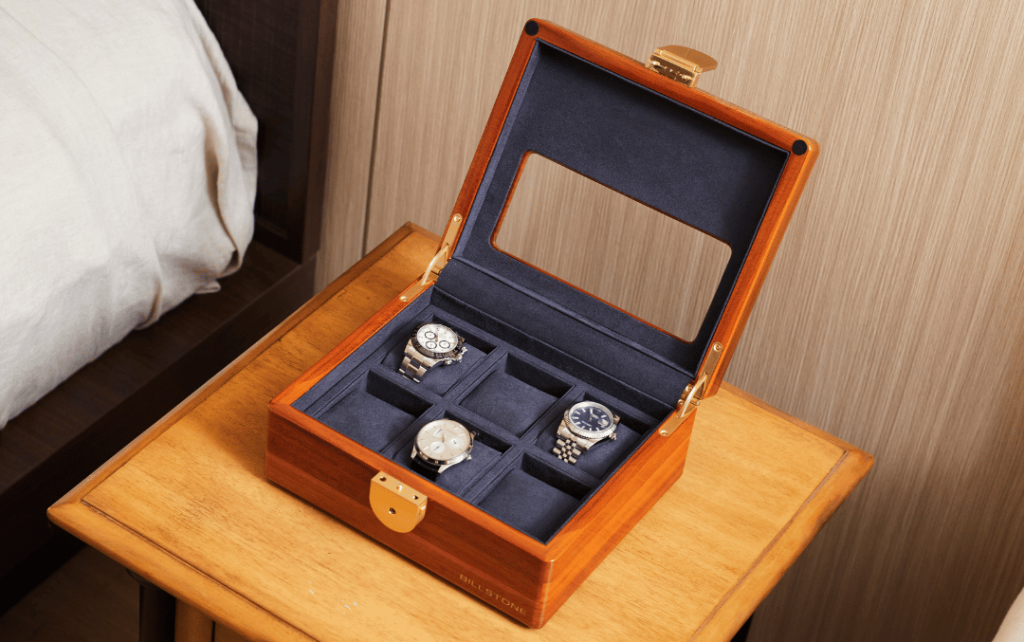
A well-designed jewelry box helps keep pieces organized and reduces unnecessary contact between them. Compartments can also make it easier to establish a consistent storage routine.
A jewelry box alone does not guarantee protection from tarnishing, however. Its effectiveness depends on the materials, closure, surrounding environment, and how the jewelry is stored.
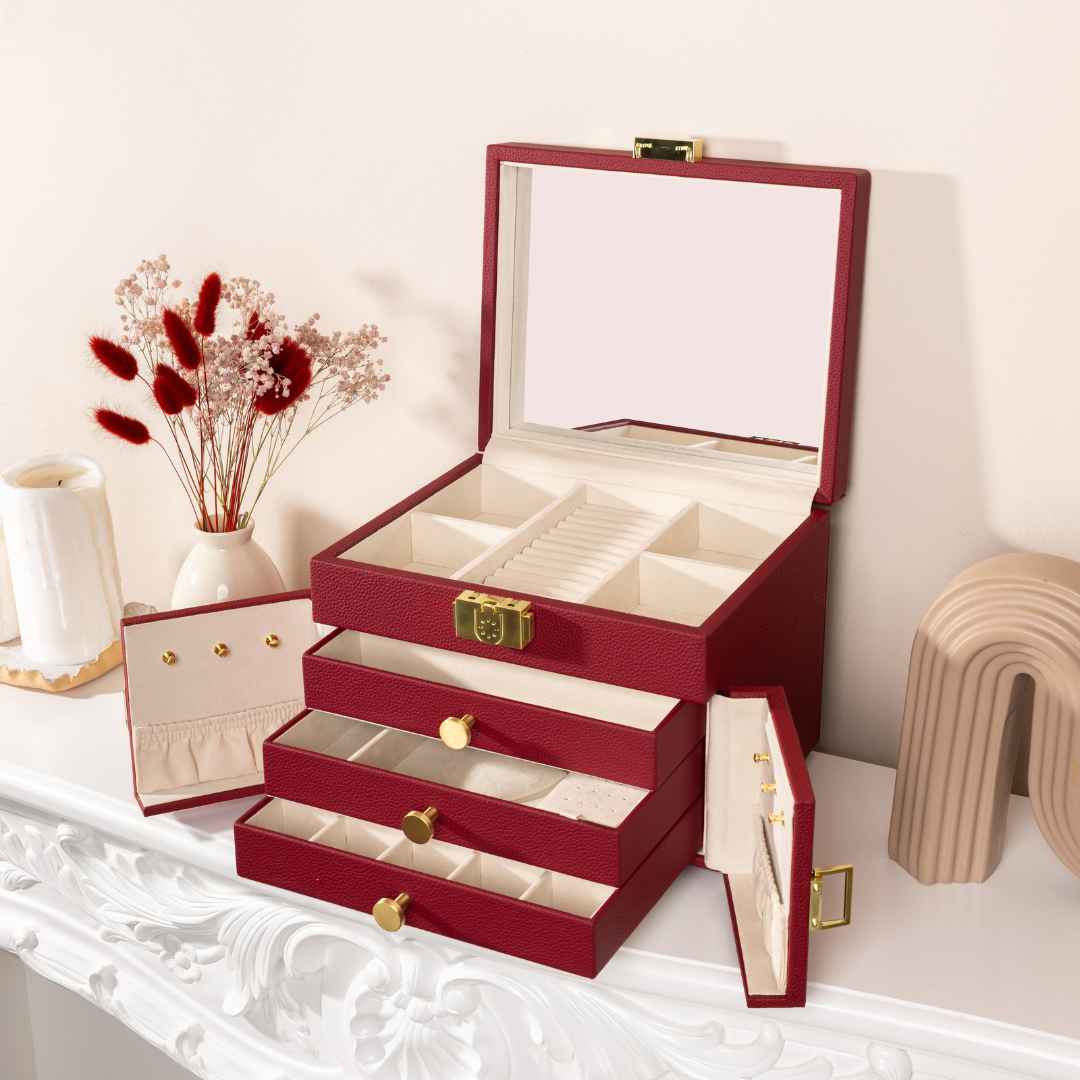
The right jewelry box should fit your collection and make proper storage easy to maintain. Consider the number of pieces you own, the types of jewelry you wear most often, and whether you need separate spaces for necklaces, rings, earrings, and bracelets.
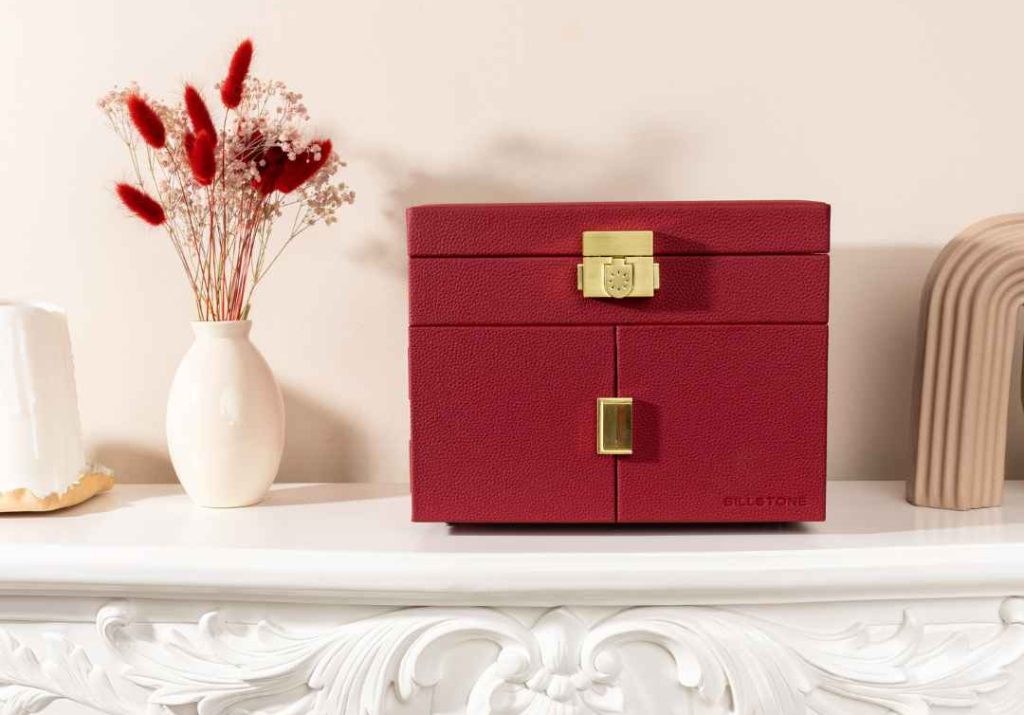
The Billstone Aura Jewelry Box is an option for organizing a personal jewelry collection. Its compartment-based design helps keep different pieces arranged in designated spaces, making everyday storage more practical.
For the best results, store clean and dry jewelry in an appropriate environment, and follow the care recommendations for each material. If tarnishing does occur, use a suitable cleaning method rather than assuming every piece can be polished in the same way.
Jewelry can tarnish even when it is not being worn because metals may continue reacting with sulfur compounds, moisture, and other environmental factors during storage. The degree of tarnishing depends on the material, its finish, and the conditions surrounding it.
Cleaning jewelry appropriately, keeping it dry, separating individual pieces, and choosing an organized storage solution can help maintain its appearance over time.
With consistent care and suitable storage, you can keep your jewelry collection organized and make it easier to enjoy your favorite pieces for years to come.