A watch winder can help keep an automatic watch running while it is not being worn. However, choosing the right settings is important. If you have ever wondered what TPD means or why some watches require different winding directions, understanding these features can help you use a watch winder more effectively.
TPD and rotation direction are two key considerations when selecting a watch winder. Both relate to how the winder simulates wrist movement, helping replenish the energy stored in an automatic watch’s mainspring.
TPD stands for turns per day. It describes the number of rotations a watch winder completes within a 24-hour period.
Automatic watches use the movement of an internal rotor to wind their mainsprings. When a watch is placed in a winder, the device rotates it to simulate some of the movement that would normally occur when wearing it.
Different automatic watch movements have different winding requirements. Some need fewer turns per day, while others require more to maintain their power reserve.
Choosing the correct TPD helps the watch receive an appropriate amount of winding. A higher TPD is not automatically better, and the setting should not be chosen simply to make the watch rotate as much as possible.
There is no single TPD setting that works for every automatic watch. The appropriate number depends on the specific movement and the manufacturer’s recommendations.
Some movements may require approximately 650 to 800 turns per day, while others may need around 900 to 1,200 or another specified range. These figures are illustrative, not universal recommendations for every watch in a particular brand’s collection.
Before selecting a setting, check the technical information for your exact watch model. If the information is unavailable, contact the watch manufacturer or an authorized service provider.
Rotation direction describes the direction in which the watch winder rotates the watch. Depending on the movement, the watch may wind clockwise, counterclockwise, or in both directions.
This matters because the automatic winding mechanism is not identical across all watches.
Some automatic movements wind when the rotor turns in a clockwise direction. If your watch requires clockwise winding, the winder must support that setting.
Other movements wind when the rotor turns counterclockwise. Using a compatible counterclockwise setting helps the winder provide the movement required by that mechanism.
Certain automatic movements can wind in both directions. For these watches, a bidirectional setting may be suitable if it matches the manufacturer’s specifications.
It is important to distinguish the direction in which the winder rotates the watch from the direction in which the internal rotor winds the mainspring. The correct setting depends on the movement’s winding mechanism, so avoid guessing based on appearance alone.
Incorrect settings may prevent a watch from receiving sufficient winding. For example, if a movement only winds in one direction and the winder operates in an incompatible direction, the watch may continue to lose power even while it is rotating.
Similarly, an unsuitable TPD setting may fail to maintain the watch’s power reserve.
This does not mean every incorrect setting will damage a watch immediately. However, using compatible settings is important for effective operation and to avoid unnecessary winding activity.
If a watch repeatedly stops while in a winder, first check its power reserve, winding direction, TPD requirements, and condition. If the problem continues despite appropriate settings, consult a qualified watchmaker.
No. A watch winder does not necessarily need to rotate continuously throughout the day.
Many devices use programmed cycles that alternate between periods of rotation and rest. These cycles are designed to provide winding activity without requiring constant movement.
The appropriate operating cycle depends on the watch’s winding requirements and the winder’s available settings.
If you wear your automatic watch every day, ordinary wrist movement may provide sufficient energy. A watch winder is generally more useful when you rotate between several watches or want a particular watch to remain ready to wear.
Allowing an automatic watch to stop when its power reserve runs out is also generally acceptable, provided it is stored appropriately and maintained according to the manufacturer’s instructions.
When comparing watch winders, consider more than their appearance or storage capacity.
Adjustable TPD: Look for settings that match the requirements of your automatic watch.
Rotation direction options: Check whether the winder supports clockwise, counterclockwise, or bidirectional rotation as needed.
Convenient controls: Clear controls make it easier to select and review settings.
Secure watch placement: The watch should fit properly on its holder or cushion to help keep it stable during operation.
Suitable storage design: Consider whether you need space for one watch or a larger collection, along with any additional storage features.
Always verify compatibility with your specific watch movement before using a winder.

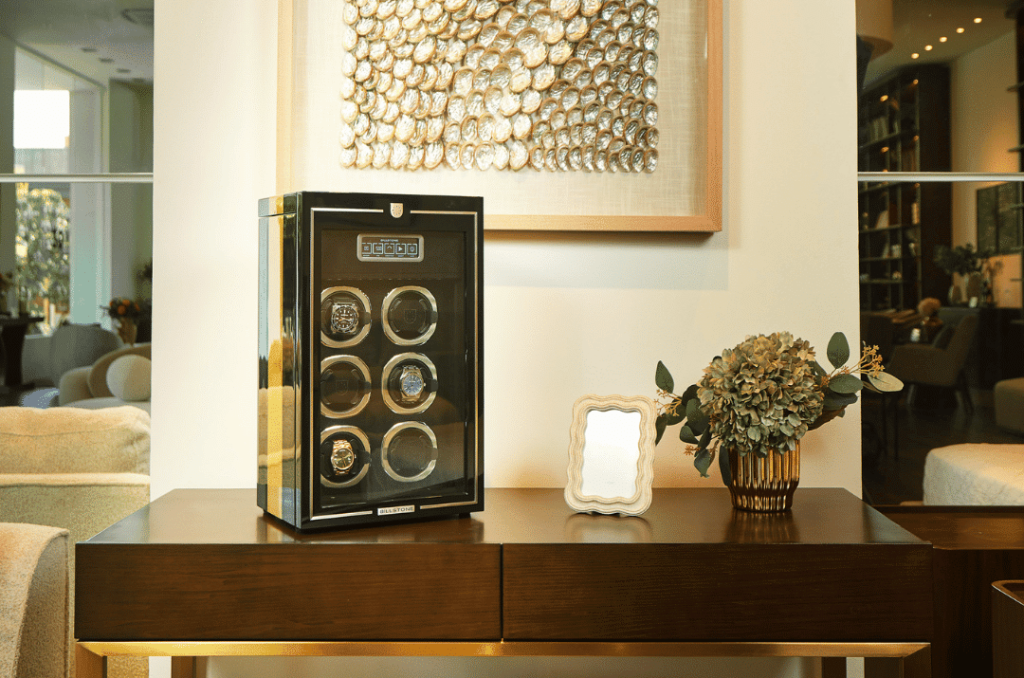
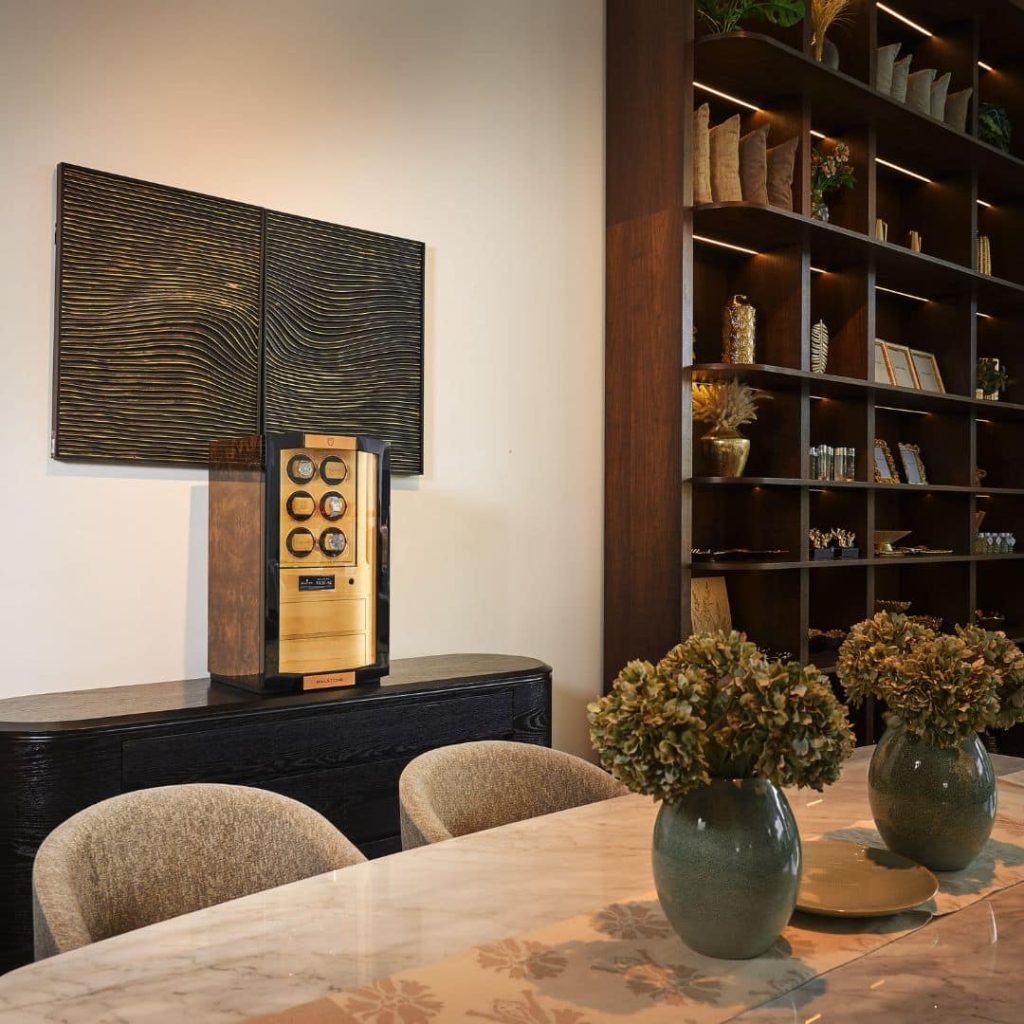
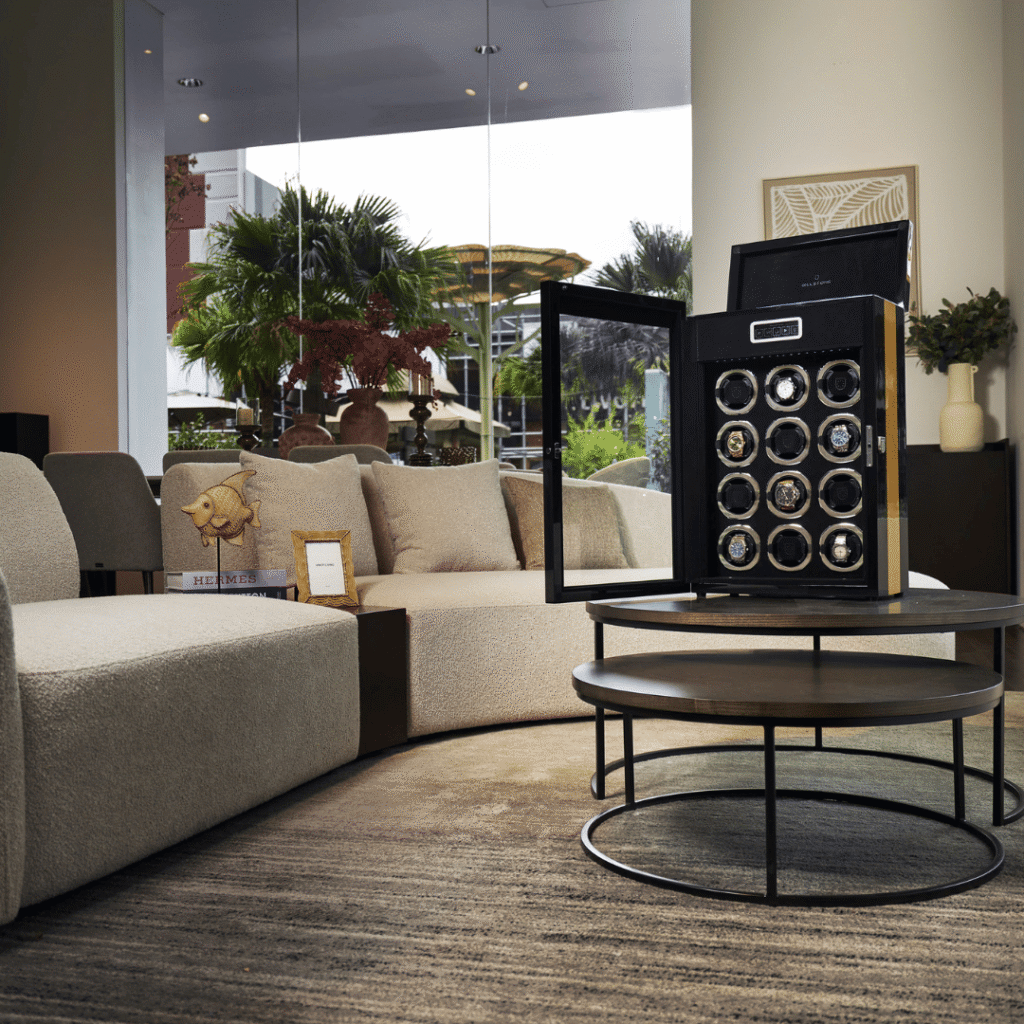
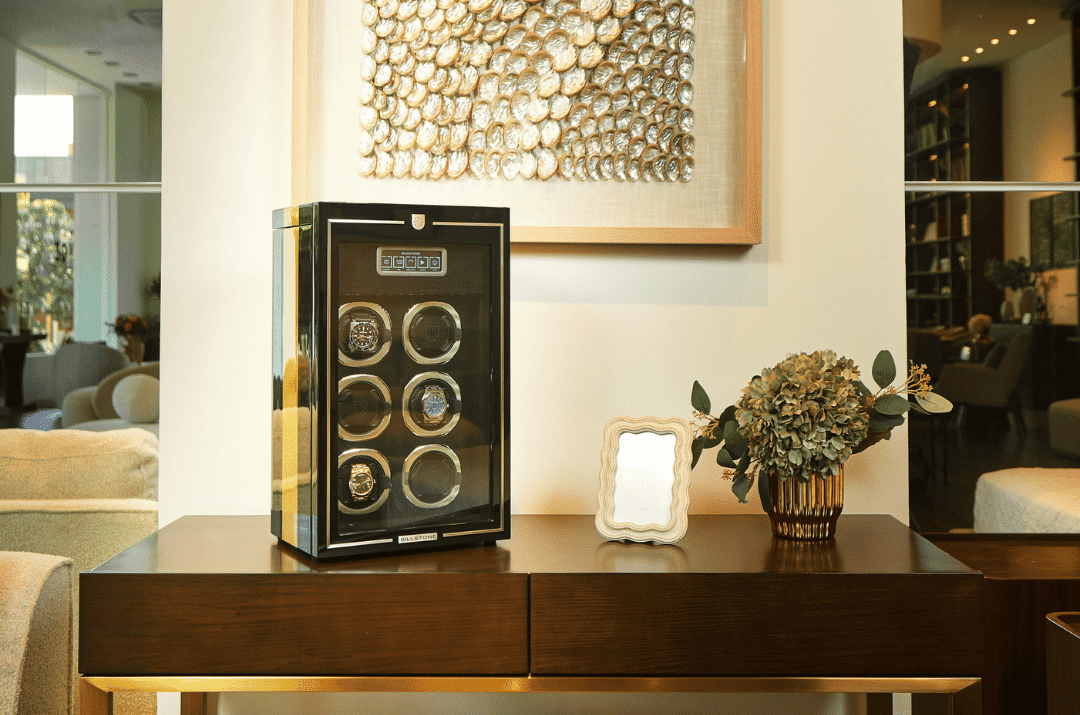
For collectors looking for a watch winder with adjustable controls, the Billstone Northcraft Watch Winder is an option to consider.
Northcraft features LCD controls that allow users to adjust winding direction, turns per day, and lighting. This makes it possible to configure the available settings according to the requirements of a compatible automatic watch.
Its design also incorporates a fingerprint lock, a mechanical security knob, and a removable tray for accessories. These features combine winding functionality with organized storage.
As with any watch winder, the correct settings should be determined by the specifications of the watch being stored rather than by choosing the highest available TPD.
TPD and rotation direction are essential considerations when using a watch winder. TPD determines how many rotations the device performs per day, while rotation direction determines how the watch is moved during the winding cycle.
Because automatic watch movements have different requirements, there is no universal setting for every watch. Check the manufacturer’s recommendations, choose compatible settings, and monitor the watch’s performance.
With the right configuration, a suitable watch winder can help keep an automatic watch ready to wear while making it easier to manage a rotating collection.