Storing watches properly at home is an important part of maintaining their appearance and keeping them organized. Whether you own one everyday watch or a growing collection of luxury timepieces, the place where you store them can affect their exposure to dust, moisture, sunlight, and accidental damage.
Leaving watches on a bedside table or placing them loosely inside a drawer may seem convenient, but these locations do not always provide the best storage conditions.
So, where should you store your watch collection at home? The ideal location is a clean, dry, stable area away from direct sunlight, excessive humidity, and unnecessary contact with other objects.
The best storage location depends on your living space, collection size, and the type of watches you own. However, several locations can provide practical storage when arranged properly.
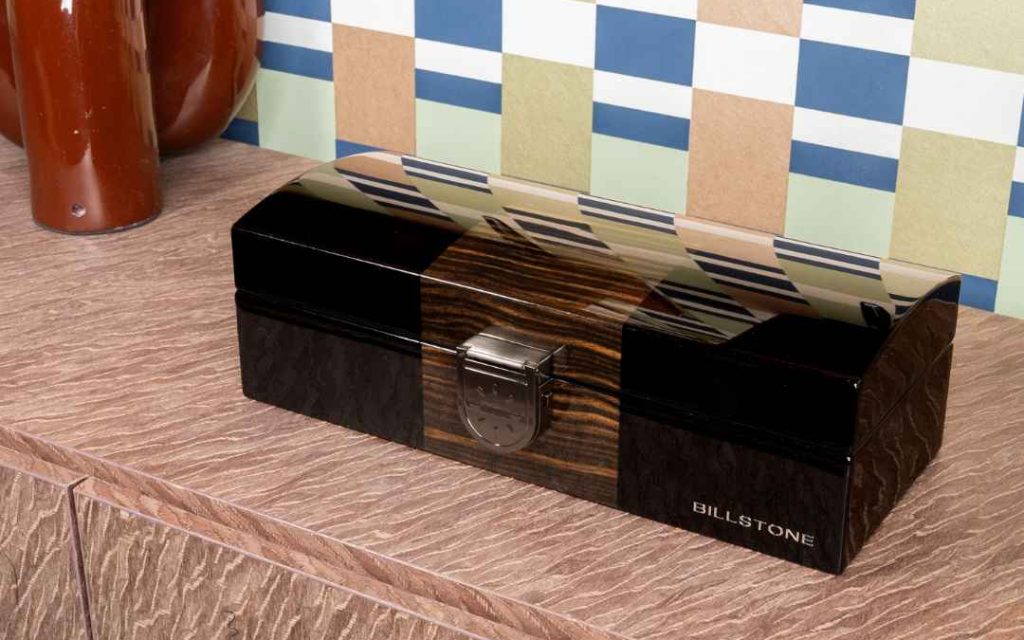
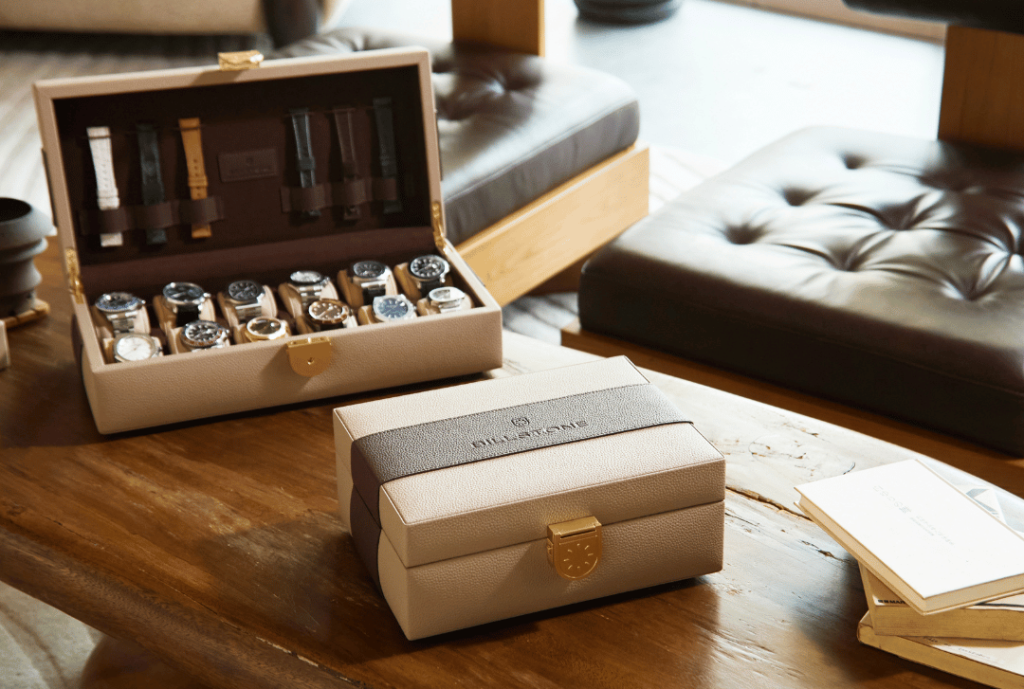
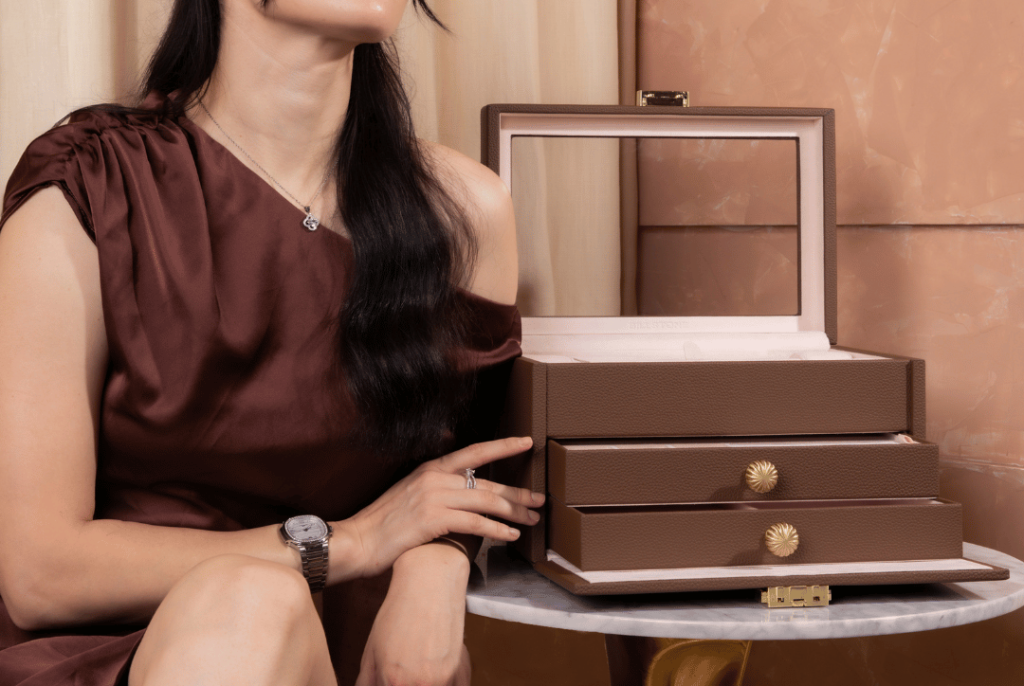
A dedicated watch box is one of the simplest ways to organize a watch collection at home. It gives each watch a designated compartment and helps reduce contact between watches, bracelets, and other accessories.
A watch box can also keep watches together in one place, making it easier to find the timepiece you want without searching through drawers or cabinets.
Choose a box with suitable cushions, a soft interior, and compartments that accommodate your watches comfortably. Avoid overcrowding the box, especially if you own watches with large cases or wide bracelets.
A drawer or cabinet can be a suitable place for a watch box because it helps keep the collection away from direct sunlight and everyday household activity.
However, the storage area should remain dry and reasonably stable in temperature. Avoid drawers close to bathrooms, sinks, or other areas where moisture may accumulate.
It is also important to keep watches away from loose keys, coins, and other hard objects that could scratch their surfaces.
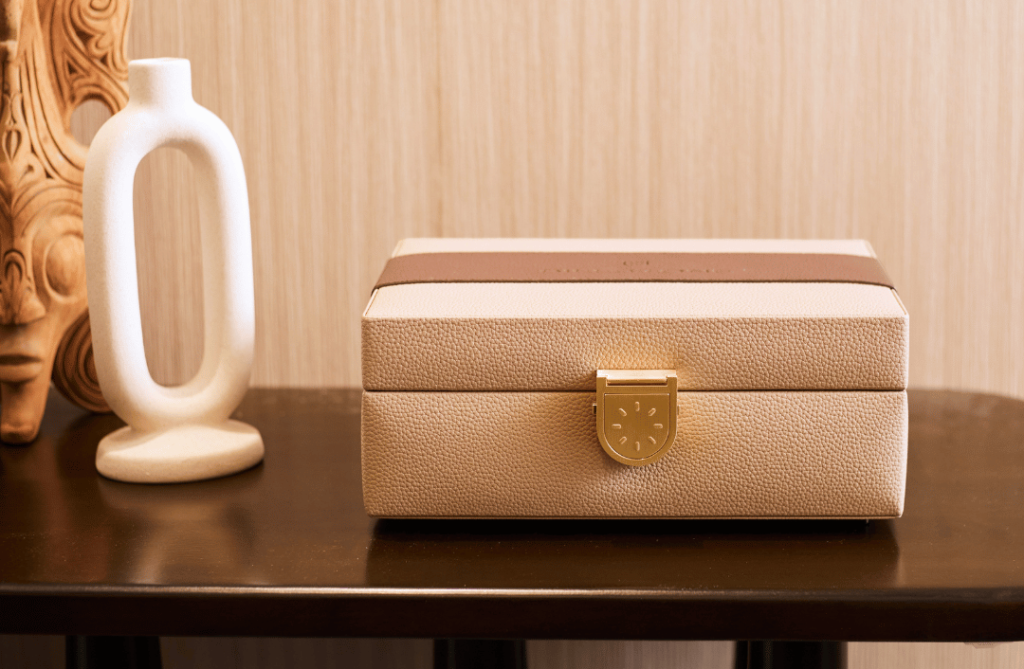
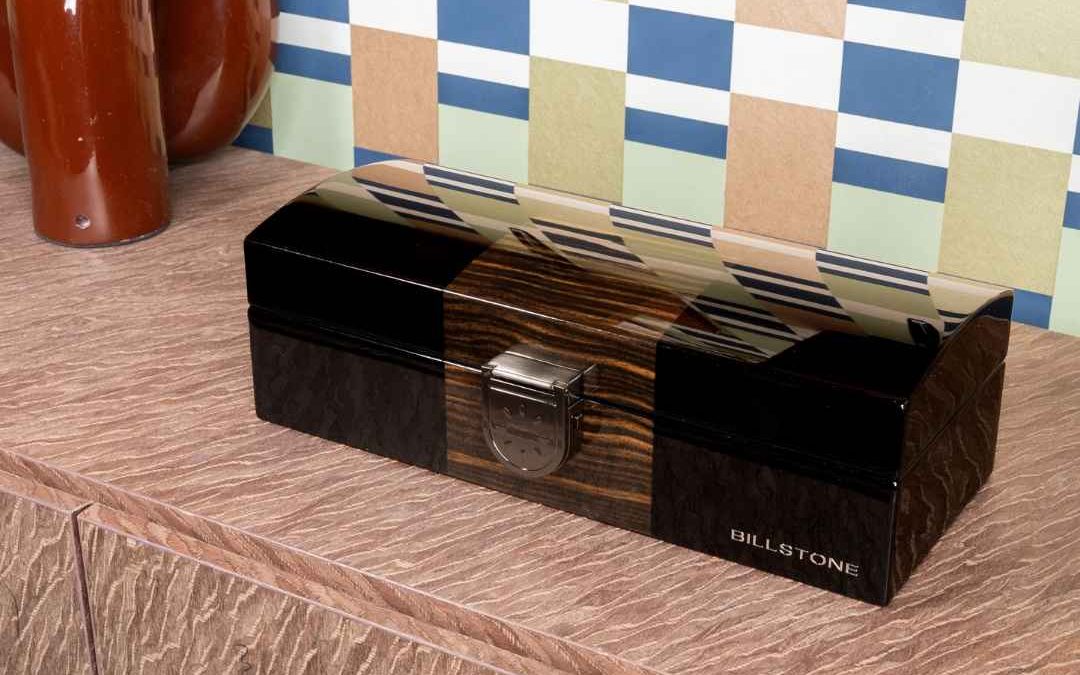
A dresser or display shelf can work well if you prefer easy access to your watches. A watch box with a secure lid can help keep the collection organized while complementing your room’s interior.
If you choose an open shelf, consider the surrounding conditions. Avoid placing watches where they receive direct sunlight for extended periods or where they may be knocked over accidentally.
For valuable collections, a closed storage solution may offer more practical protection from dust and everyday contact.
The location matters just as much as the storage container. Certain areas of the home may expose watches to conditions that are less suitable for long-term storage.
Bathrooms can experience frequent changes in humidity and temperature. Moisture may also be present on countertops and shelves near sinks.
Even if a watch is water-resistant, that rating does not mean it is protected from every form of moisture exposure. Water resistance can vary by model and may change as seals age.
For routine storage, choose a dry location away from bathroom moisture.
Prolonged direct sunlight can heat a watch and may affect certain materials, including leather straps, coatings, and some watch components.
A watch stored near a window may also experience temperature fluctuations throughout the day.
Keep your collection away from direct sunlight and other sources of excessive heat whenever possible.
Some mechanical watches can be affected by strong magnetic fields, which may interfere with timekeeping. The degree of susceptibility depends on the movement and its design.
Avoid placing watches directly beside strong magnetic sources unless the manufacturer confirms that the watch is designed to withstand that exposure.
If a mechanical watch suddenly gains or loses time after possible magnetic exposure, consult a qualified watchmaker.
Storing watches without a dedicated compartment can allow them to move around and come into contact with other objects.
Keys, jewelry, metal accessories, and hard surfaces may scratch a watch’s case, bracelet, or crystal.
Use a suitable watch box or protective travel case instead of leaving valuable watches loose among everyday belongings.
Not every watch has identical storage requirements. Consider the movement, materials, and manufacturer’s care instructions.
Automatic watches: Store them in a dry, stable location. If you want an automatic watch to remain running while not being worn, consider a compatible watch winder with the correct winding settings. A winder is optional for many owners.
Quartz watches: These watches use batteries or other electronic power sources, depending on the model. Follow the manufacturer’s guidance for long-term storage and battery maintenance.
Watches with leather straps: Keep leather away from excessive moisture, direct sunlight, and prolonged heat. Allow a strap to dry appropriately after wearing it.
Luxury watches with metal bracelets: Store them separately to reduce contact with other watches and accessories. A suitable cushion can help keep each watch in position.
Watches with delicate finishes or gemstones: Follow the manufacturer’s recommendations for cleaning and storage, since certain finishes and materials require specialized care.
A watch box and a watch winder serve different purposes.
A watch box is designed primarily to organize and store watches. It is suitable for collectors who want to keep their timepieces in individual compartments and reduce unnecessary contact between them.
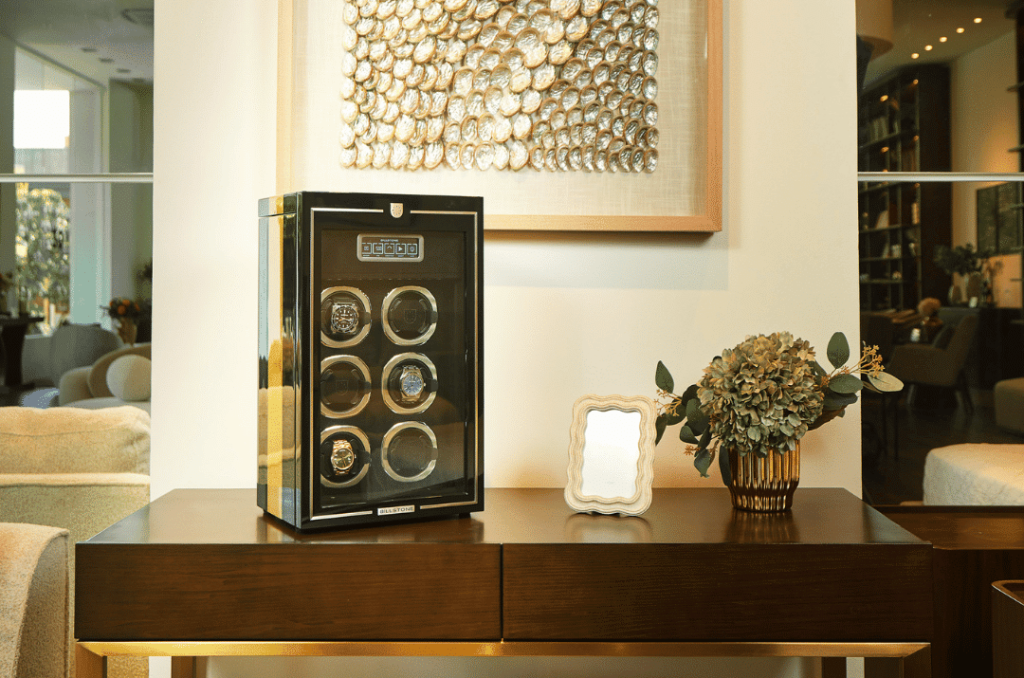
A watch winder rotates compatible automatic watches to help maintain their power reserve while they are not being worn. This can be convenient if you frequently switch between watches or want a particular timepiece to remain ready to wear.
However, a watch winder is not essential for every automatic watch owner. If you do not mind winding or resetting a watch before wearing it, a regular watch box may be sufficient.
The best option depends on your collection, wearing habits, and the manufacturer’s recommendations for each watch.
For collectors who want an organized place to store their timepieces, the Billstone Oxford Watch Box and Billstone Domaine Watch Box are options to consider.
A dedicated watch box helps keep watches separated and provides a consistent place to store each timepiece. When selecting one, consider the number of watches you own, their dimensions, and how much space you have at home.
The Billstone Domaine collection offers 8-watch and 12-watch configurations, with a dual-tone Billstone Signature Leather exterior, flexible cushions, and a soft interior lining. These features support an organized storage arrangement for a growing collection.
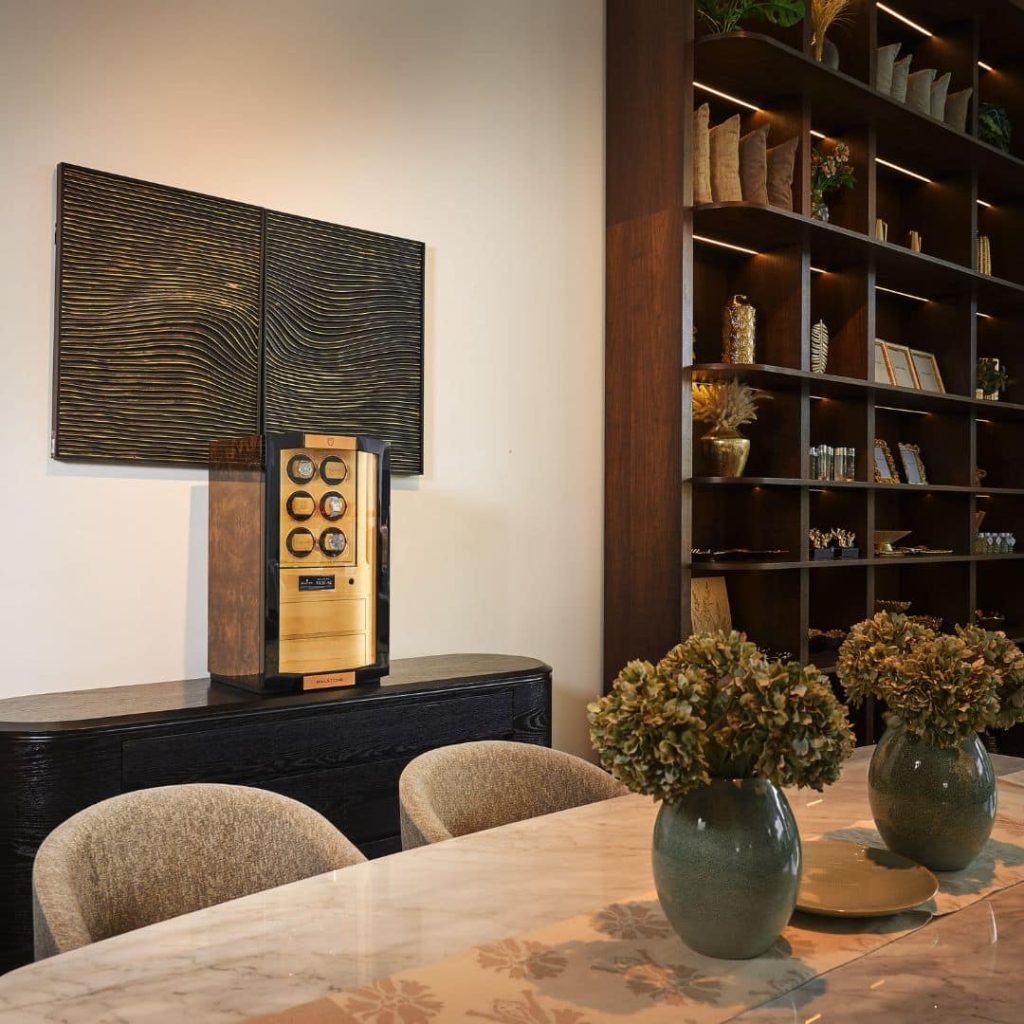
If you want selected automatic watches to remain running between wears, the Billstone Northcraft Watch Winder is another option. It includes adjustable winding direction and turns-per-day controls, which should be configured according to the requirements of the watch being stored.
The best place to store your watch collection at home is a clean, dry, stable location away from direct sunlight, excessive moisture, and unnecessary contact with other objects.
A dedicated watch box can help keep your collection organized, while a compatible watch winder may be useful for certain automatic watches. Whichever solution you choose, follow the manufacturer’s care instructions and make sure each watch is stored appropriately.
With a suitable storage location and consistent care habits, you can keep your watches organized and help preserve their appearance over time.