Choosing the right suitcase can make traveling more convenient, especially for people who travel frequently. With several luggage materials available, aluminum and polycarbonate are two popular options to consider. Both have different characteristics that can affect durability, weight, appearance, and everyday usability.
Understanding the differences between aluminum and polycarbonate luggage can help you choose a suitcase that fits your travel habits. Whether you are planning a short business trip or a longer holiday, the right material depends on what matters most to you.
Aluminum luggage is made with an aluminum shell designed to provide a rigid exterior. It is often chosen for its structured appearance, solid construction, and distinctive metallic finish.
Unlike flexible luggage materials, aluminum maintains a firm shape. This can make it appealing to travelers who prefer a hard-sided suitcase with a clean, structured design.
However, aluminum luggage can develop dents or surface scratches after impacts. These marks do not necessarily mean the suitcase has lost its protective function, but they can change its appearance over time.
Aluminum luggage is often suitable for travelers who prioritize a rigid shell, long-term use, and a distinctive exterior.
Polycarbonate is a type of thermoplastic commonly used to manufacture hard-shell suitcases. It is known for being lightweight and having some flexibility, allowing the shell to flex under pressure rather than behaving like a completely rigid structure.
This flexibility can help polycarbonate luggage handle certain impacts during travel. However, its performance depends on the material quality, shell thickness, design, and overall construction.
Polycarbonate suitcases are available in many colors, sizes, and finishes. Their relatively low weight can also be useful for travelers who need to manage airline baggage limits.
Like aluminum, polycarbonate is not immune to scratches, cracks, or other forms of damage. Its actual durability depends on how the suitcase is manufactured and used.
Weight is an important factor when choosing luggage, particularly for air travel.
Polycarbonate suitcases are generally known for their lightweight construction. This can leave more room within an airline’s weight allowance for clothing and other belongings.
Aluminum luggage can be heavier, depending on its size, shell construction, handles, wheels, and other components. Travelers should compare the actual product weights rather than assuming every aluminum suitcase weighs the same.
If minimizing luggage weight is your main priority, polycarbonate may be the more practical choice. If you prefer a rigid metal shell and are comfortable with its weight, aluminum may suit your needs.
Both materials can provide useful protection for packed belongings, but they respond differently to impacts.
Polycarbonate has some flexibility, which allows it to absorb certain impacts through controlled deformation. Nevertheless, it can still crack or become damaged under sufficient force.
Aluminum has a rigid structure that can withstand many everyday travel conditions, but the shell may dent when subjected to strong impacts. The resulting marks can be more noticeable depending on the finish.
Neither material guarantees that fragile items inside the suitcase will remain undamaged. Proper packing, internal organization, and careful handling are also important.
The appearance of a suitcase may influence your decision, particularly if you want luggage that matches your personal style.
Aluminum luggage typically features a metallic finish and structured exterior. Its appearance often appeals to travelers who prefer a minimalist, architectural design.
Polycarbonate luggage offers greater variety in colors, textures, and surface finishes. It can suit travelers who want more options when choosing a suitcase.
Your choice ultimately depends on whether you prefer the distinctive look of metal or the wider design variety commonly available with polycarbonate.
Luggage can show signs of use after repeated trips, regardless of its material.
Aluminum shells may develop scratches and dents, particularly when exposed to rough handling. Some travelers appreciate how these marks reflect the suitcase’s travel history, while others prefer to maintain a cleaner exterior.
Polycarbonate shells can also develop scratches, scuffs, or cracks. Darker finishes and textured surfaces may show wear differently from lighter or smoother designs.
To maintain either type of suitcase, clean it according to the manufacturer’s instructions and avoid abrasive cleaning materials that could damage the finish.
The lifespan of a suitcase depends on more than its shell material. Wheels, handles, zippers or locking mechanisms, hinges, and internal components all contribute to its overall performance.
For aluminum luggage, inspect the shell, corners, locks, and hinges regularly. Clean the exterior with a method suitable for its finish.
For polycarbonate luggage, check the shell for cracks or deformation and ensure that the wheels and handles remain secure.
Regardless of the material, storing your suitcase in a dry location and avoiding unnecessary pressure can help maintain its condition between trips.
The better choice depends on your travel priorities and the type of trips you take.
Polycarbonate may be a suitable option if you want lightweight luggage, flexible design choices, and a suitcase that is easier to lift. It can be particularly practical for travelers who frequently move between airports, hotels, and public transportation.
Aluminum may appeal to travelers who prefer a rigid metal shell and a structured appearance. It can be a good option for business trips or frequent travel when design and construction are important considerations.
Before purchasing either type, check the suitcase’s dimensions, empty weight, wheel quality, locking system, and warranty. Airline baggage restrictions also vary, so confirm the applicable limits before departure.
Aluminum luggage is worth considering if you value a rigid exterior, a distinctive metallic finish, and a structured design. However, it is important to evaluate the complete suitcase rather than choosing based on material alone.
The quality of the wheels, handle, locking system, and overall construction can affect the travel experience just as much as the shell.

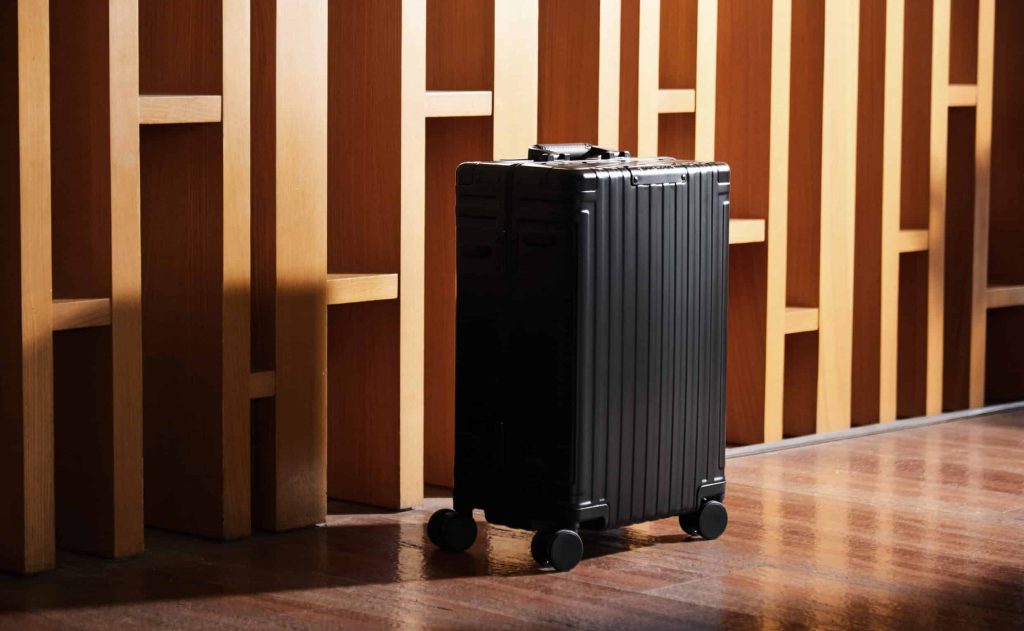
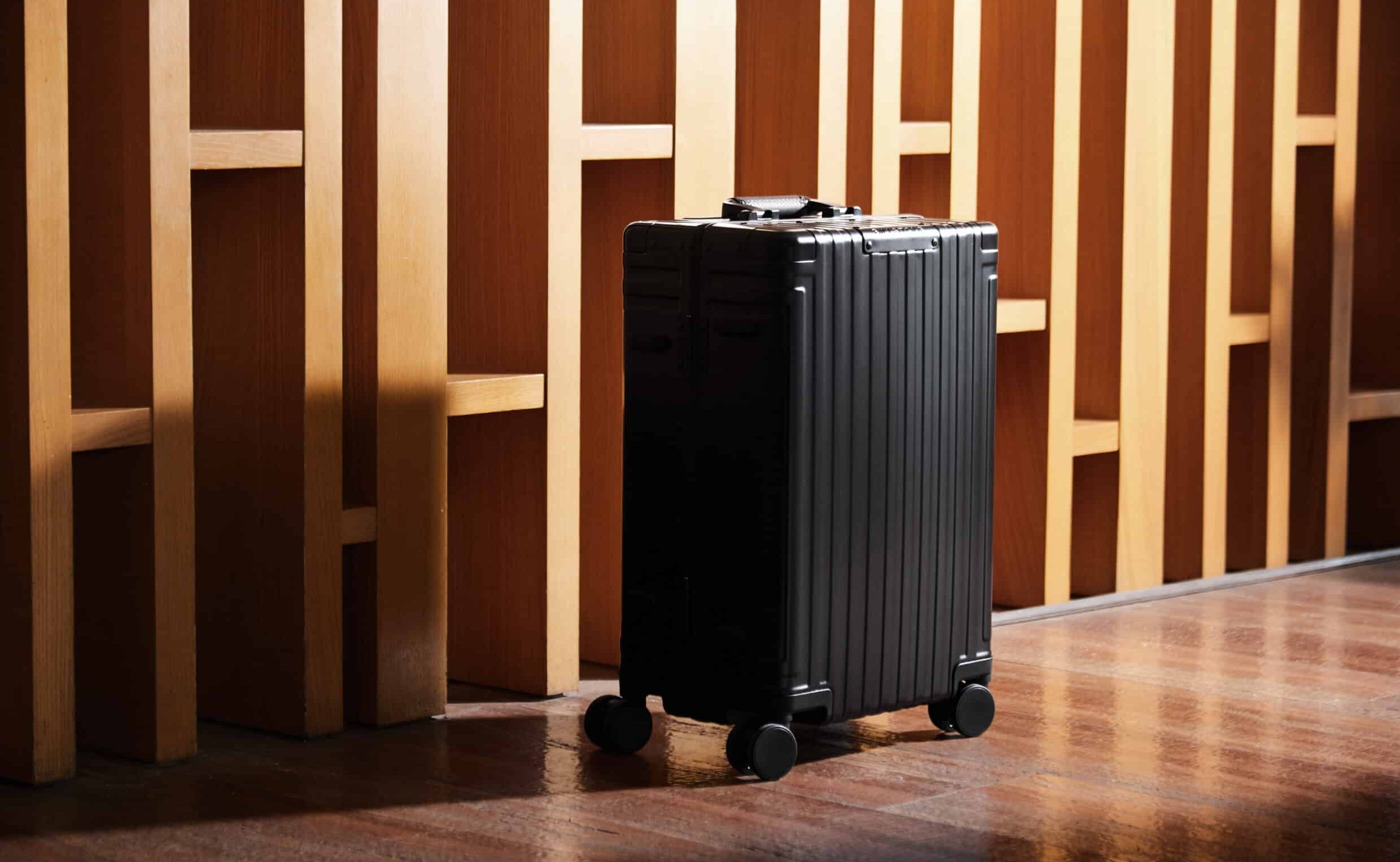
For travelers interested in aluminum luggage, the Billstone Altura Aluminum Luggage is an option to explore. When comparing it with other suitcases, review its specifications and dimensions to determine whether it suits your packing needs and travel routine.
Consider how often you travel, how much you typically carry, and whether the suitcase will be used mainly for business trips, holidays, or longer journeys.
Aluminum and polycarbonate luggage each offer different advantages. Polycarbonate is often preferred for its lightweight construction and flexibility, while aluminum appeals to travelers who want a rigid shell and a distinctive metallic appearance.
There is no single material that is best for every traveler. The right choice depends on your priorities, budget, travel frequency, and expectations for maintenance.
By comparing weight, construction, impact resistance, design, and practical features, you can choose luggage that supports your travel needs over time.