An automatic watch is designed to wind itself through the natural movement of the wearer’s wrist. When it is not being worn, a watch winder can help keep the movement running by rotating the watch at controlled intervals. However, using the wrong settings or handling the watch incorrectly may reduce the benefits of having a winder.
Understanding how to use a watch winder correctly is therefore important for anyone who wants to store and maintain an automatic watch properly.
A watch winder is a storage device that rotates an automatic watch to simulate the movement of the wrist. This movement helps wind the mainspring and maintain the watch’s power reserve.
A winder is not required for every automatic watch. However, it can be convenient for collectors who regularly rotate between several watches and want selected timepieces to remain ready to wear.
Before placing an automatic watch inside a winder, check the manufacturer’s recommendations.
Different movements may require different turns per day (TPD) and winding directions. Some movements wind clockwise, counterclockwise, or in both directions.
Using the correct settings helps ensure that the watch receives the appropriate amount of rotation without unnecessary movement.
One of the most important settings on a watch winder is TPD, or turns per day.
TPD refers to the approximate number of rotations the winder provides within a 24-hour period. The appropriate setting depends on the specific movement inside your watch.
Avoid assuming that a higher TPD is automatically better. Instead, follow the watch manufacturer’s specifications whenever possible.
Watch winders may offer different rotation directions, including clockwise, counterclockwise, or bidirectional rotation.
The correct direction depends on the movement. If your watch requires a specific direction, make sure the winder is configured accordingly.
If the movement supports bidirectional winding, you can use the appropriate bidirectional setting where available.
How you place the watch inside the winder also matters.
Make sure the watch is securely positioned on its cushion and that the strap or bracelet is not under unnecessary tension. The watch should remain stable while the winder rotates.
Avoid forcing a watch onto a cushion that is too tight. A properly fitted cushion should hold the watch securely without putting excessive pressure on the bracelet or strap.
Once you have determined the correct winding settings for your watch, there is generally no reason to constantly change them.
Set the TPD and direction according to the movement’s requirements and allow the winder to operate as intended.
If you change to a different watch, remember that its winding requirements may not be the same.
No. A watch winder does not necessarily need to operate continuously.
If you are not going to wear the watch for an extended period, you can choose to store it in a conventional watch box instead. For collectors, a winder is mainly useful when convenience and keeping selected watches ready to wear are priorities.
The decision should depend on your wearing habits and the specific requirements of your automatic watch.
There are several simple mistakes that watch owners should avoid:
A watch winder should support proper watch storage and winding, not replace regular maintenance from a qualified watch professional.

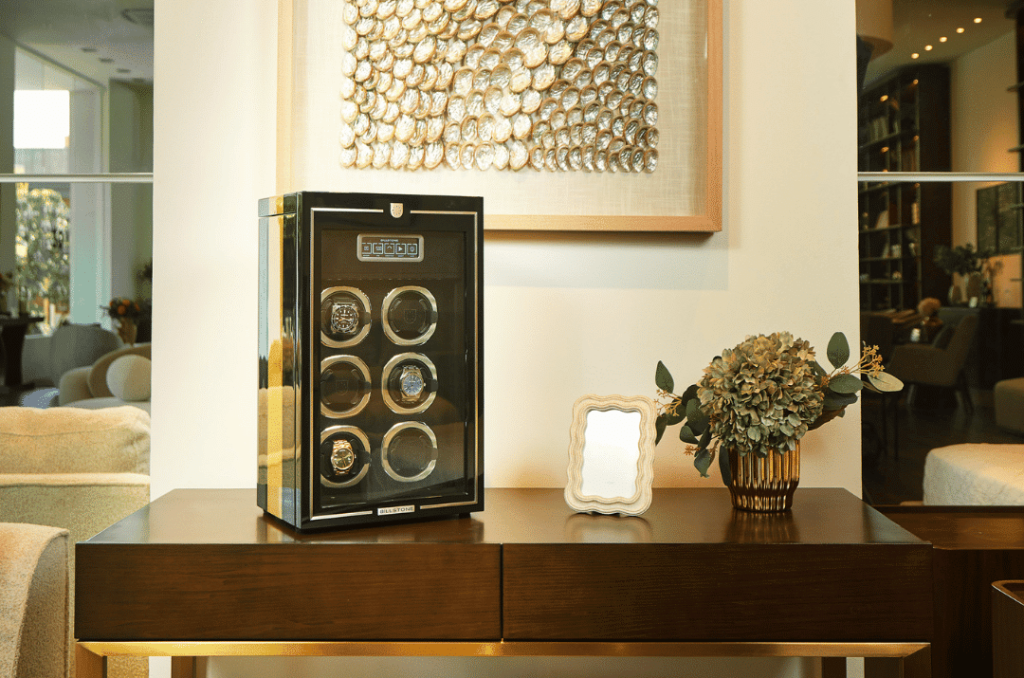
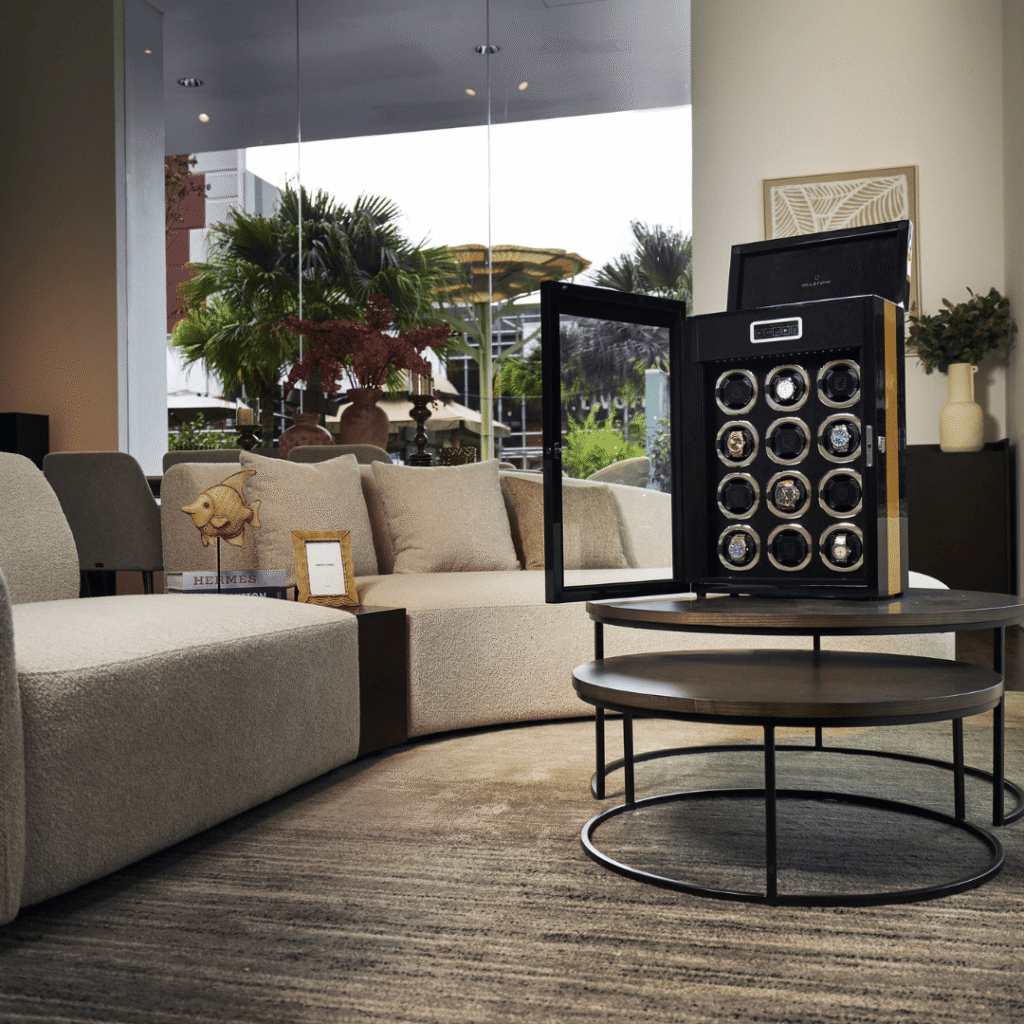
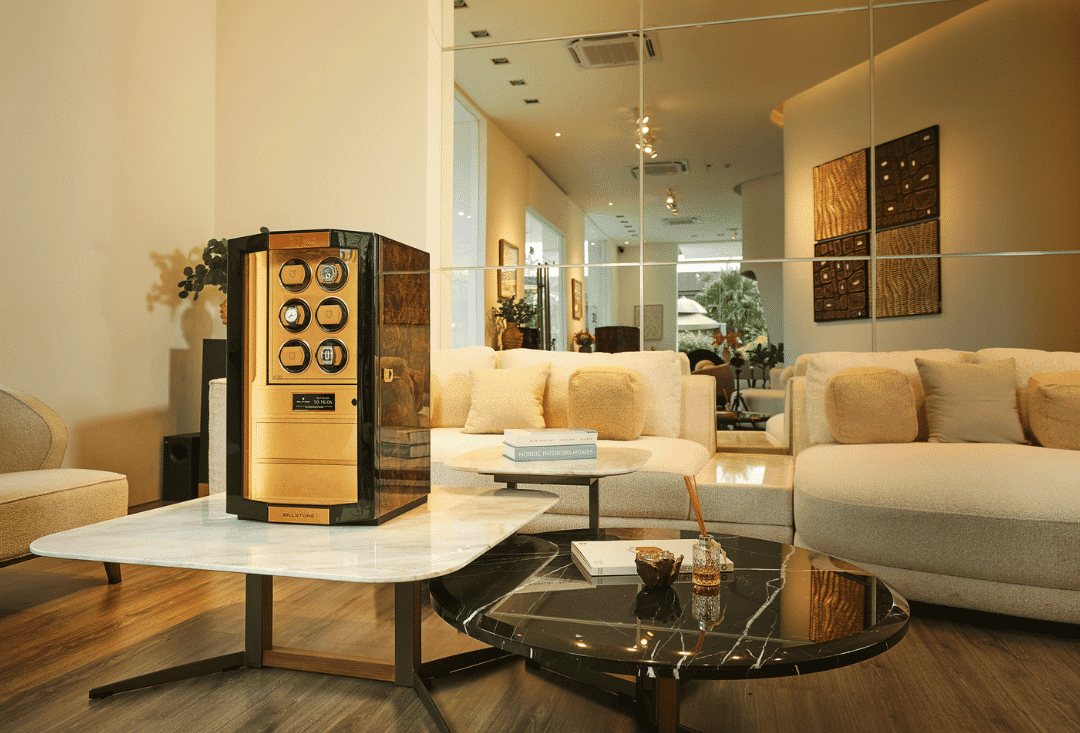
For collectors looking for a dedicated solution, the Billstone Cairus Watch Winder combines automatic winding with organized watch storage.
Its design is suitable for collectors who want their automatic watches stored securely while having convenient control over the winding process. Cairus can be used as part of a dedicated watch-storage setup at home, in a dressing room, or in an office.
Rather than simply leaving an automatic watch on a surface, a dedicated watch winder provides a structured environment where the watch can remain stored while receiving controlled movement.
Learning how to use a watch winder correctly is mainly about understanding your watch’s specific requirements.
Check the manufacturer’s recommended winding direction and TPD, secure the watch properly, and avoid using settings simply because they provide more rotations. A watch winder should be used as a controlled storage and winding solution rather than something that needs to run continuously for every automatic watch.
For collectors who want both winding functionality and dedicated storage, the Billstone Cairus Watch Winder can be a practical addition to an automatic watch collection.