Luxury watches are designed with attention to detail, from polished metal cases to carefully finished bracelets and delicate crystals. However, even a well-made watch can develop scratches if it is stored carelessly.
Scratches may occur when watches come into contact with other objects, hard surfaces, or jewelry accessories. Fortunately, simple storage habits can help reduce unnecessary wear and keep your collection looking its best.
Whether you own one everyday watch or several valuable timepieces, understanding how to store them properly is an important part of watch care.
Scratches can develop when a watch rubs against a surface or another object that is hard enough to mark its material. The risk depends on the watch’s construction, the materials involved, and how the watch is handled.
One common storage mistake is placing several watches together in a drawer or compartment without separating them.
Metal bracelets, clasps, and case edges can rub against neighboring watches when the items move. Even if the watches appear secure when first placed together, everyday handling can cause them to shift.
Storing each watch in its own compartment helps reduce direct contact and unnecessary friction.
Keys, coins, jewelry, and other hard objects can scratch a watch when stored in the same space.
This is especially important when traveling or placing a watch temporarily in a bag. A watch should not be left loose alongside items that may press against its case, bracelet, or crystal.
Keep watches separate from everyday accessories and use an appropriate case when transporting them.
Placing a watch face down on a hard surface may expose its crystal or bezel to scratches. Dragging a watch across a tabletop can also cause marks on the case or bracelet.
When removing a watch, handle it carefully and place it on a clean, soft surface rather than directly on a rough or abrasive one.
Overcrowded drawers and unsuitable storage containers can make watches harder to retrieve safely. Pulling one watch out from beneath another may create unnecessary contact and pressure.
An organized storage system makes it easier to access individual watches without disturbing the rest of the collection.
Different watch components have different material properties, so they may show wear in different ways.
Case and bracelet: Stainless steel and other metals can develop visible scratches through everyday contact. Polished surfaces may make fine marks particularly noticeable.
Crystal: Sapphire crystal is highly scratch-resistant, but it is not completely immune to damage. Mineral glass and other crystal materials have different resistance characteristics.
Bezel: Depending on its material and finish, a bezel may be vulnerable to scratches, chips, or other surface damage.
Clasp: The clasp often comes into contact with desks, counters, and other objects during daily wear. It can accumulate marks even when the watch is handled carefully.
Leather straps: Leather can become scuffed, creased, or damaged by friction and unsuitable storage conditions. It should be stored without excessive bending or pressure.
Knowing which materials your watch uses can help you follow appropriate care recommendations.
Protecting a watch does not require an elaborate routine. Consistent handling and suitable storage can make a meaningful difference.
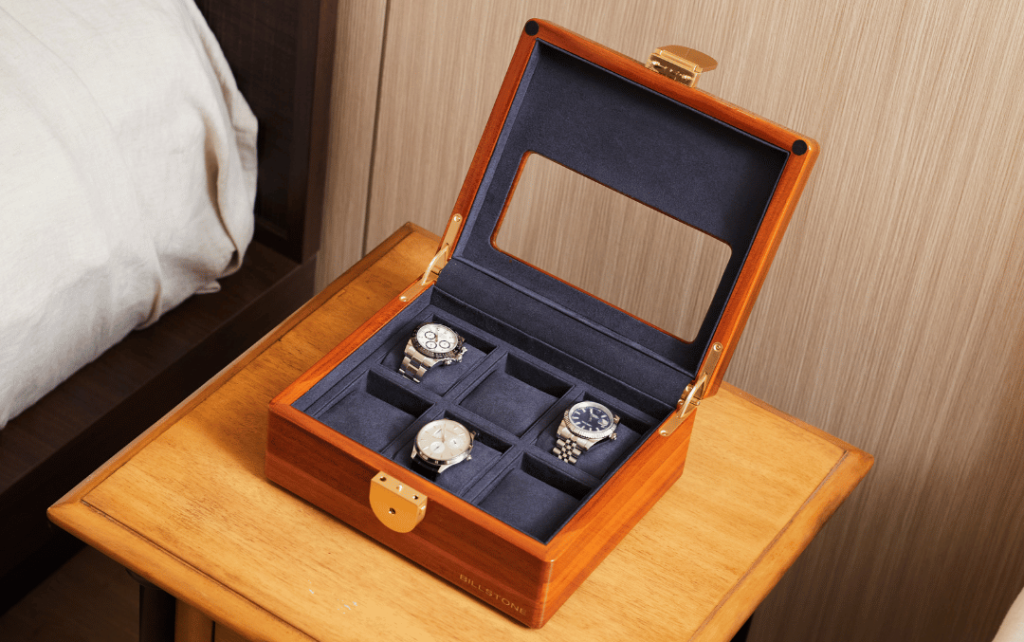
Use individual compartments or dedicated watch cushions to keep timepieces apart. This reduces the chance of cases, bracelets, and clasps rubbing against one another.
Avoid placing multiple watches loosely in one compartment, even if they are not being moved frequently.
A watch box with a suitable soft lining can help reduce direct contact with hard storage surfaces. Cushions also help hold watches in place when the box is opened or moved.
However, a soft interior alone does not guarantee protection. The watch should fit securely, and the box should provide enough space for the collection.
Dust, grit, and other particles can contribute to surface abrasion when trapped between a watch and its storage surface.
Keep the interior of your watch box clean and remove debris using a method suitable for its materials. Avoid using harsh cleaners that could damage the lining or finish.
When putting a watch away, avoid dragging it across the storage surface. Hold it securely and place it gently into its designated compartment.
If the watch has a delicate finish or an easily marked bracelet, take extra care when positioning the clasp and case.
A watch box should have enough space for each watch to sit securely without touching neighboring pieces. If your collection grows, consider a larger storage solution instead of squeezing additional watches into existing compartments.
Adequate space makes it easier to remove and return each watch without creating unnecessary contact.
A watch stored in luggage or a bag faces different risks from one kept in a stationary watch box. Movement during travel can cause loose objects to shift and press against the watch.
Use a dedicated travel case or watch roll that holds the watch securely and separates it from other belongings.
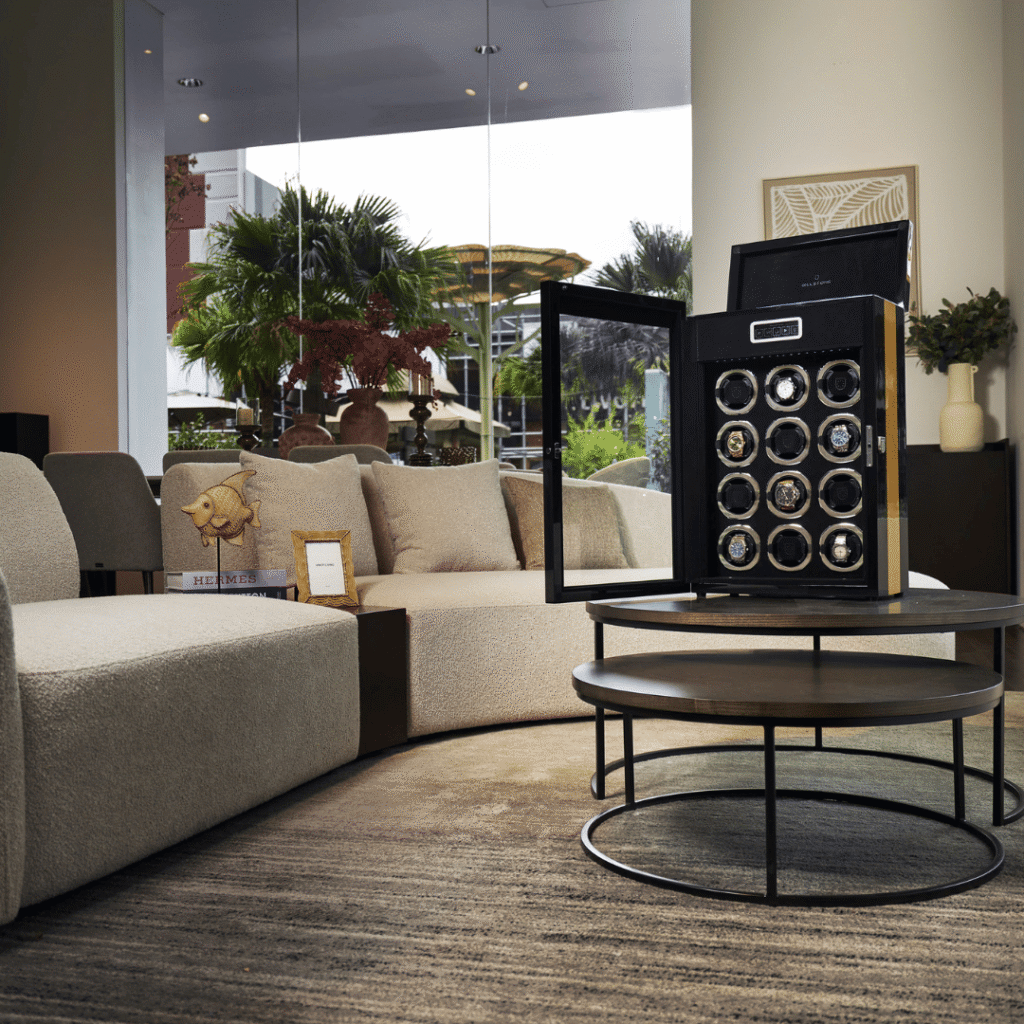
A suitable watch box can help reduce the risk of scratches by separating watches, providing dedicated cushions, and keeping the collection organized.
It also makes it easier to store watches consistently instead of leaving them on desks, bedside tables, or in drawers with other belongings.
When choosing a watch box, consider the number of watches you own, the size of their cases, the bracelet or strap designs, and the quality of the interior lining. A well-fitted compartment is more useful than simply having a large number of storage slots.
Remember that a watch box is only one part of proper care. Regular cleaning using suitable methods, careful handling, and following the manufacturer’s maintenance guidance remain important.
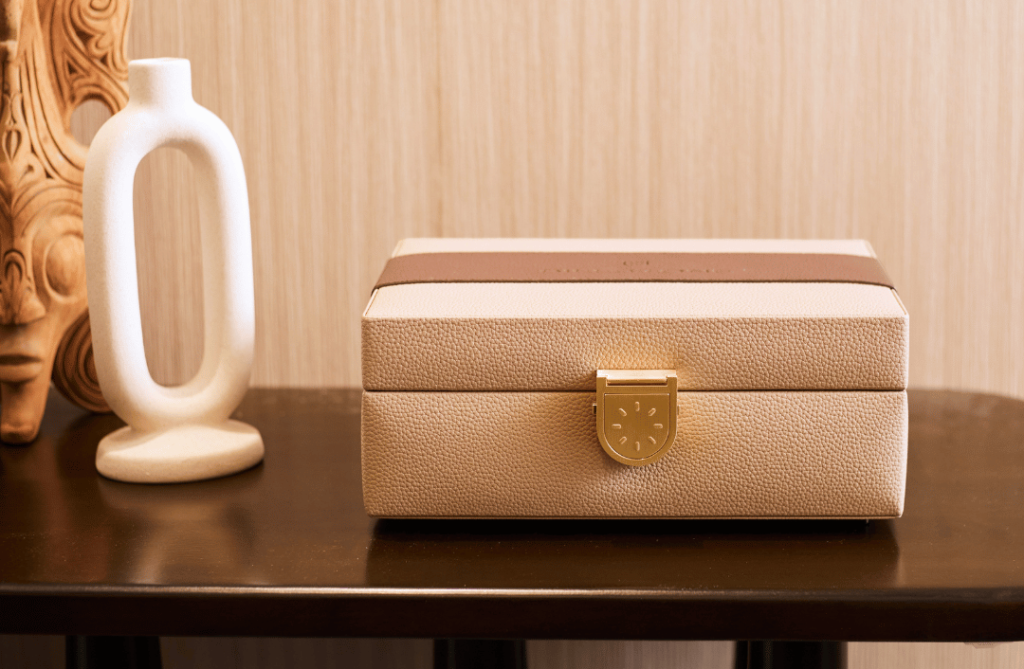
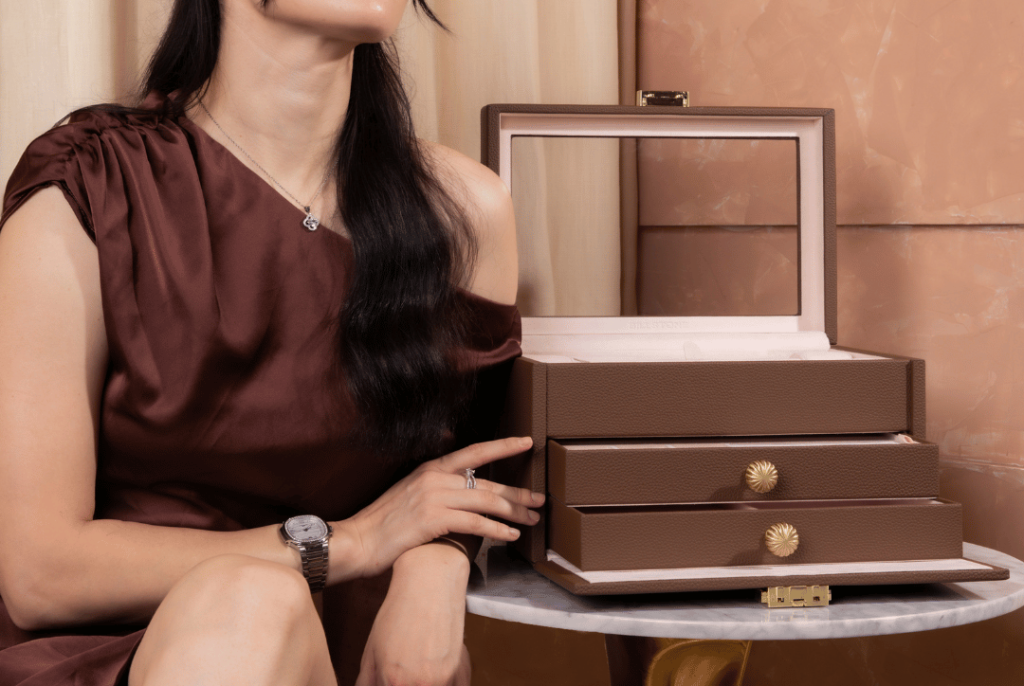
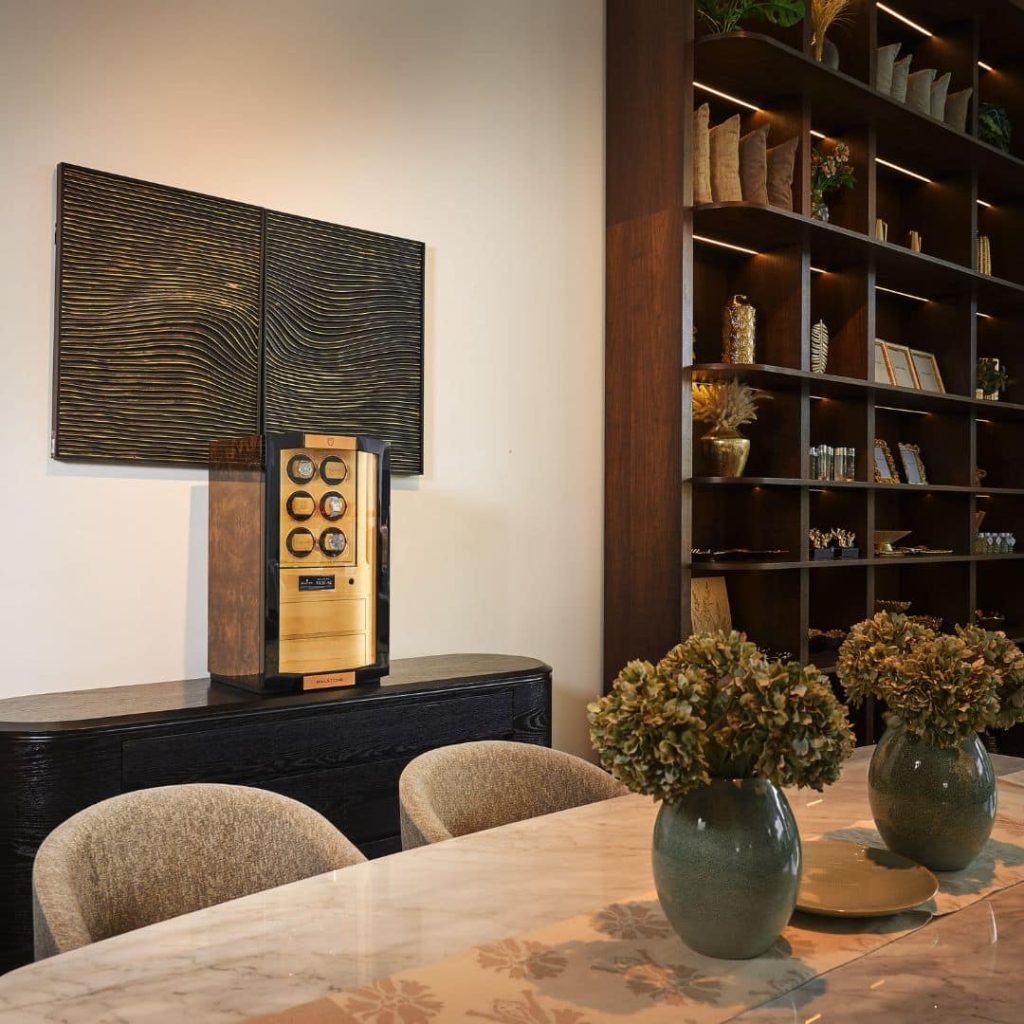
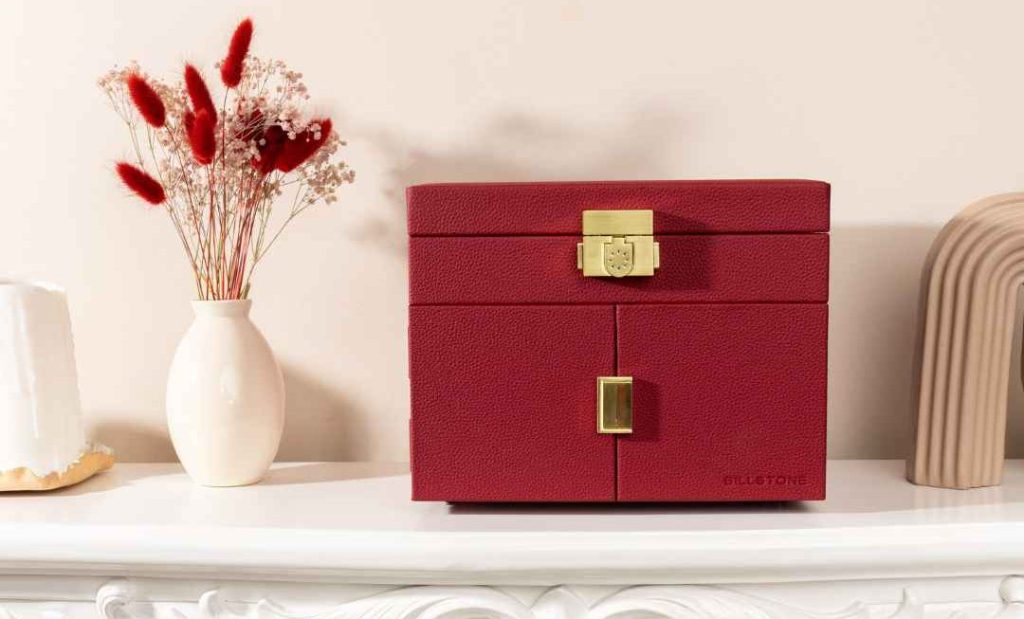
For collectors who want an organized place to store their timepieces, the Billstone Domaine Watch Box are options to consider.
A suitable watch box helps keep individual watches separated and provides a dedicated place for each piece. When choosing between designs, consider your collection size, available space, and how frequently you access your watches.
The Billstone Domaine collection includes 8-watch and 12-watch options, with a dual-tone Billstone Signature Leather exterior, flexible cushions, and a dedicated strap storage arrangement. Its soft interior and individual spaces can support an organized storage routine.
Choose a box that accommodates your watches comfortably without forcing them into tight compartments. This helps reduce unnecessary contact and makes it easier to maintain your collection.
Scratches can develop during storage when watches rub against other timepieces, accessories, or hard surfaces. Although everyday wear cannot always be avoided, thoughtful storage habits can help reduce unnecessary marks.
Keep watches separated, use suitable cushions, maintain a clean storage area, and avoid overcrowding your collection. For travel, use a dedicated case that keeps the watch secure.
With consistent care and an appropriate watch box, you can keep your luxury watches organized and help preserve their appearance over time.