Necklaces are among the most difficult jewelry pieces to store neatly. Thin chains can easily twist around one another, knots can form when several necklaces are placed together, and delicate pendants may become scratched during handling.
Fortunately, preventing tangled necklaces does not require complicated storage methods. With the right organization habits and a suitable jewelry box, you can keep your collection neat, protect delicate pieces, and make your favorite accessories easier to find.
Necklaces become tangled when their chains move, overlap, and loop around one another. This often happens when multiple necklaces are stored in the same compartment without separation.
Several factors can make the problem worse.
When necklaces are placed in a single pile, their chains can easily intertwine. Fine chains are particularly vulnerable because their small links can catch on other chains, clasps, and pendants.
Even if the necklaces are untangled before storage, movement when opening or moving the jewelry box can cause them to overlap again.
An open clasp can catch on another necklace’s chain or pendant. As the pieces shift around, the chains may become increasingly intertwined.
Closing the clasp before storing a necklace helps reduce the number of loose ends that can catch on other jewelry.
Long necklaces can wrap around shorter ones when they are stored together. Layered necklaces and pieces with large pendants may also take up more space, increasing the likelihood of tangling.
Separating necklaces by length and design can make your collection easier to organize.
A compartment that does not accommodate a necklace properly may force the chain into tight loops or place pressure on its pendant. Over time, repeatedly squeezing delicate jewelry into limited space can make storage less convenient and increase the risk of damage.
Choosing a storage solution that fits your collection is an important part of jewelry care.
A few simple habits can make a significant difference in keeping necklaces organized.
Before storing a necklace, fasten its clasp. This helps prevent the loose end from catching on other chains or jewelry components.
For particularly delicate necklaces, handle the clasp carefully to avoid pulling or putting unnecessary tension on the chain.
The most effective way to reduce tangling is to keep necklaces from overlapping. Use individual compartments, necklace holders, or separate soft pouches that are suitable for the jewelry material.
Avoid placing several delicate chains together in a small space, even if they appear neatly arranged at first.
Organize your collection into categories, such as short chains, long necklaces, pendants, and statement pieces.
This makes it easier to select the right necklace without disturbing the rest of your collection. It also helps you identify which pieces need more space or special handling.
A jewelry box works best when each compartment has enough room for its contents. Overfilling can cause chains to overlap and make it harder to remove one piece without disturbing others.
If your collection grows, consider reorganizing your existing storage or choosing a box with additional compartments.
Fine chains can be more vulnerable to pulling and twisting than heavier designs. When removing a necklace, lift it carefully instead of pulling it out from underneath other pieces.
If a chain becomes tangled, place it on a flat surface and work through the knot gently. Avoid pulling forcefully, as this can damage the links or clasp.
Not every necklace needs exactly the same storage method. Consider the design and material of each piece when organizing your collection.
Fine chain necklaces: Store them separately to reduce the risk of knots and overlapping links.
Pendant necklaces: Give the pendant enough space to prevent it from rubbing against other jewelry.
Layered necklaces: Keep individual chains separated when possible, particularly if they have different lengths.
Statement necklaces: Allocate enough room for larger designs so they do not press against delicate chains or other pieces.
Gold-plated and delicate jewelry: Follow the manufacturer’s care instructions, and avoid storing pieces in ways that may scratch their surfaces or wear away their finish.
When choosing a jewelry box, look beyond its exterior design. The internal layout plays an important role in keeping your collection organized.
Consider these features:
A jewelry box should support your daily routine. If storing a necklace requires moving several other pieces, the organization system may need improvement.
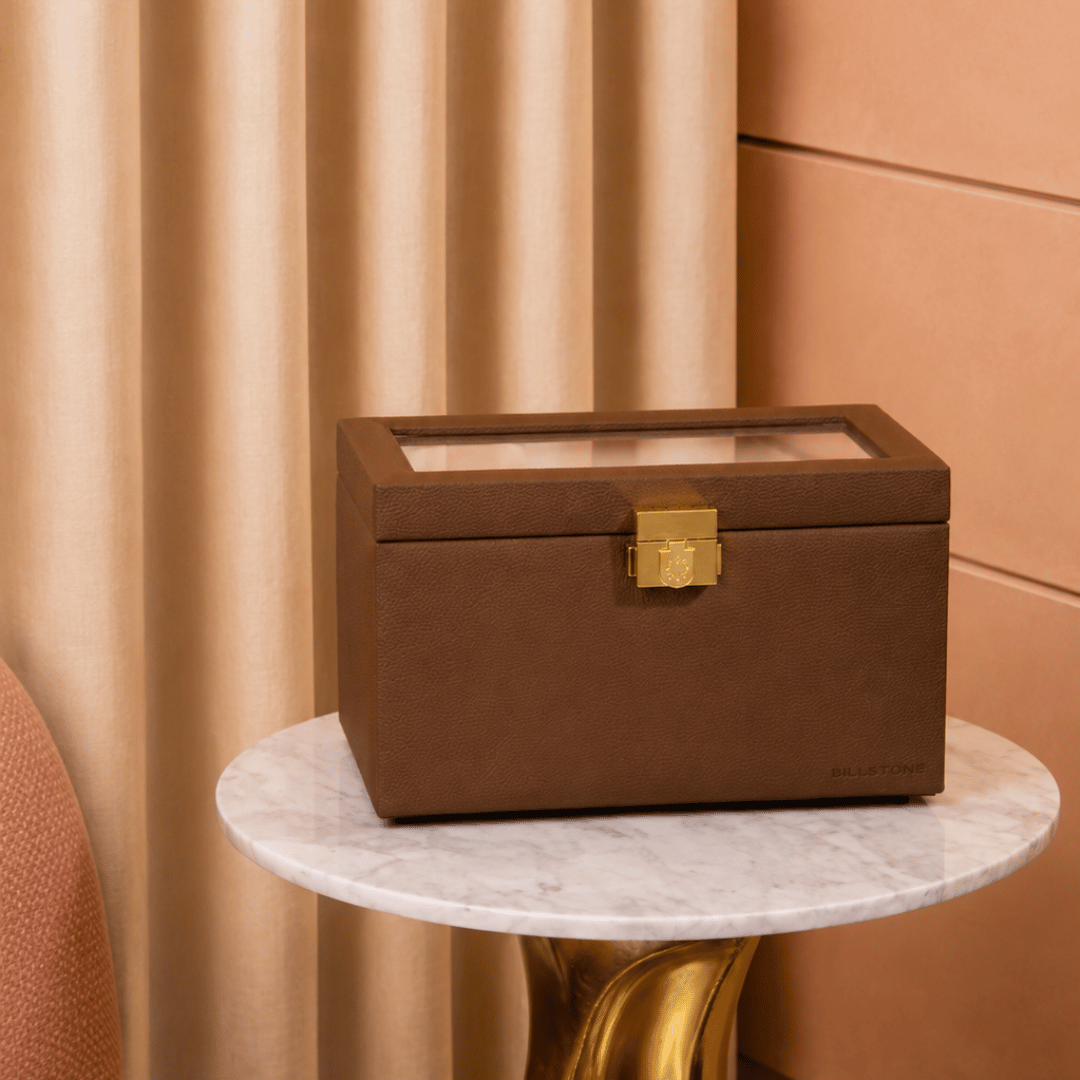
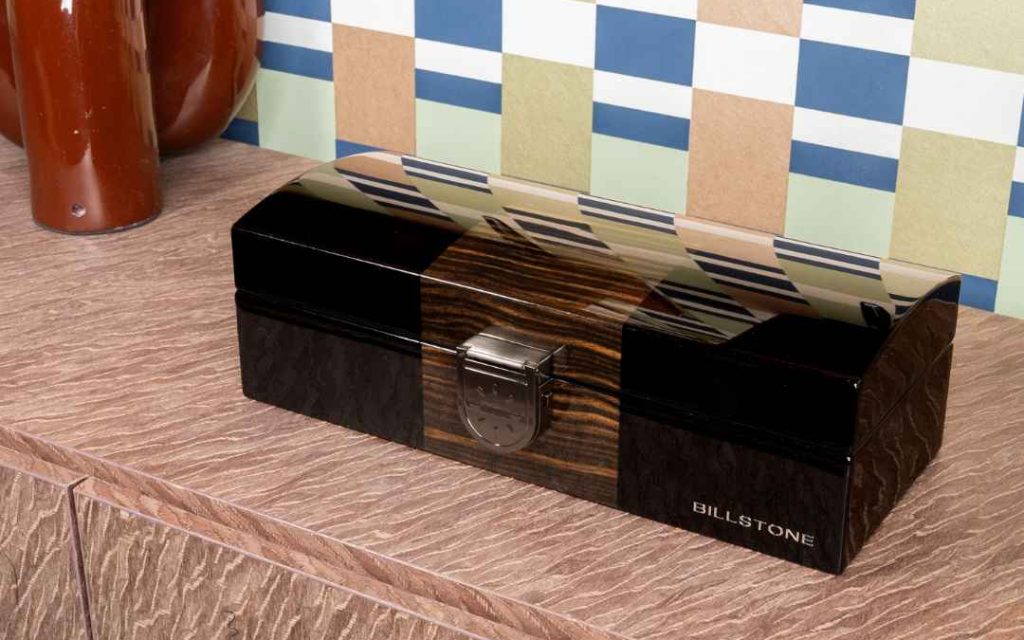
For those looking for a dedicated jewelry storage solution, the Billstone Zuri Jewelry Box offers an option for organizing everyday jewelry and accessories.
Available in Midnight Black and Cocoa Brown, Zuri features Billstone Signature Leather and a compartment-based design intended to help keep jewelry arranged neatly. Its considered interior layout can make it easier to separate different pieces and maintain a more organized collection.
When using any jewelry box, place necklaces in suitable compartments, fasten their clasps, and avoid overcrowding the storage space. These habits help reduce tangling and make your jewelry easier to access.
Preventing necklaces from tangling starts with keeping chains separated, closing clasps, and providing enough space for each piece. Organizing necklaces by length and style also makes everyday storage more practical.
A well-organized jewelry box can support these habits by giving each piece a designated place. By combining suitable storage with careful handling, you can spend less time untangling chains and more time enjoying your jewelry collection.