Automatic watches are designed to keep running through regular movement, but many owners wonder whether leaving them in a watch winder for too long can cause damage. Can an automatic watch actually be overwound, and is it safe to keep it rotating when you are not wearing it?
In most modern automatic watches, overwinding through normal automatic winding is generally prevented by a slipping mechanism in the mainspring. However, using a watch winder incorrectly can still create unnecessary wear or fail to provide the winding settings your watch requires.
Understanding how automatic winding works can help you choose and use a watch winder more confidently.
Overwinding occurs when excessive force is applied to a watch’s mainspring beyond its intended operating limits. Traditional manual-winding watches may be damaged if the crown is forced after the mainspring is fully wound.
Most automatic watches work differently. Their mainsprings are designed with a slipping bridle that allows the spring to slip inside the barrel when it reaches its intended winding limit. This helps prevent the mainspring from being wound too tightly during normal automatic operation.
However, this mechanism does not make a watch immune to every kind of damage. Forcing the crown, mishandling the watch, or ignoring the manufacturer’s winding instructions can still cause problems.
Under normal conditions, a properly functioning watch winder used with compatible settings should not overwind a modern automatic watch.
A watch winder rotates the watch to simulate wrist movement, allowing the rotor inside the movement to replenish the mainspring’s energy. It does not directly force the mainspring to wind continuously in the same way that turning a crown does.
Nevertheless, a watch winder should not be selected or operated without considering the watch’s requirements.
TPD stands for turns per day. It refers to the number of rotations a watch winder performs within a 24-hour period.
Different automatic movements have different winding requirements. If the TPD setting does not match your watch’s specifications, the watch may not maintain its power reserve as expected.
Always check the recommended TPD for your particular watch rather than assuming that a higher setting is better.
Some automatic movements wind clockwise, others counterclockwise, and some support winding in both directions.
If the watch winder uses an incompatible direction, the watch may not receive sufficient winding even while the winder is operating.
Before placing your watch in a winder, confirm its recommended winding direction through the manufacturer or a reliable technical reference.
Many watch winders operate in cycles, alternating between rotation and rest periods. These cycles help simulate the intermittent movement of a watch worn on the wrist.
A compatible winder with suitable settings can be convenient, but keeping a watch running continuously is not necessary for every owner. If you do not need the watch to remain ready to wear, allowing it to stop naturally is generally acceptable.
For a compatible automatic watch, a properly configured watch winder can be used regularly. However, whether daily winding is beneficial depends on your watch, its manufacturer’s guidance, and your personal needs.
A watch winder may be particularly useful if you own several automatic watches and rotate between them. It can help maintain the power reserve of selected watches and reduce the need to reset the time and date whenever you wear them.
On the other hand, if you wear the same watch every day, normal wrist movement may provide enough energy to keep it running. You may not need a separate winder at all.
The goal is not to keep a watch moving at all costs. It is to use the right winding method for your movement and wearing habits.
Follow these practical steps to use a watch winder more confidently:
These steps help you use a watch winder as a practical storage accessory without overlooking the needs of the watch itself.
When choosing a watch winder, look beyond its appearance. Consider whether its settings are suitable for your movement, whether the watch can be secured comfortably, and whether the design fits your collection.

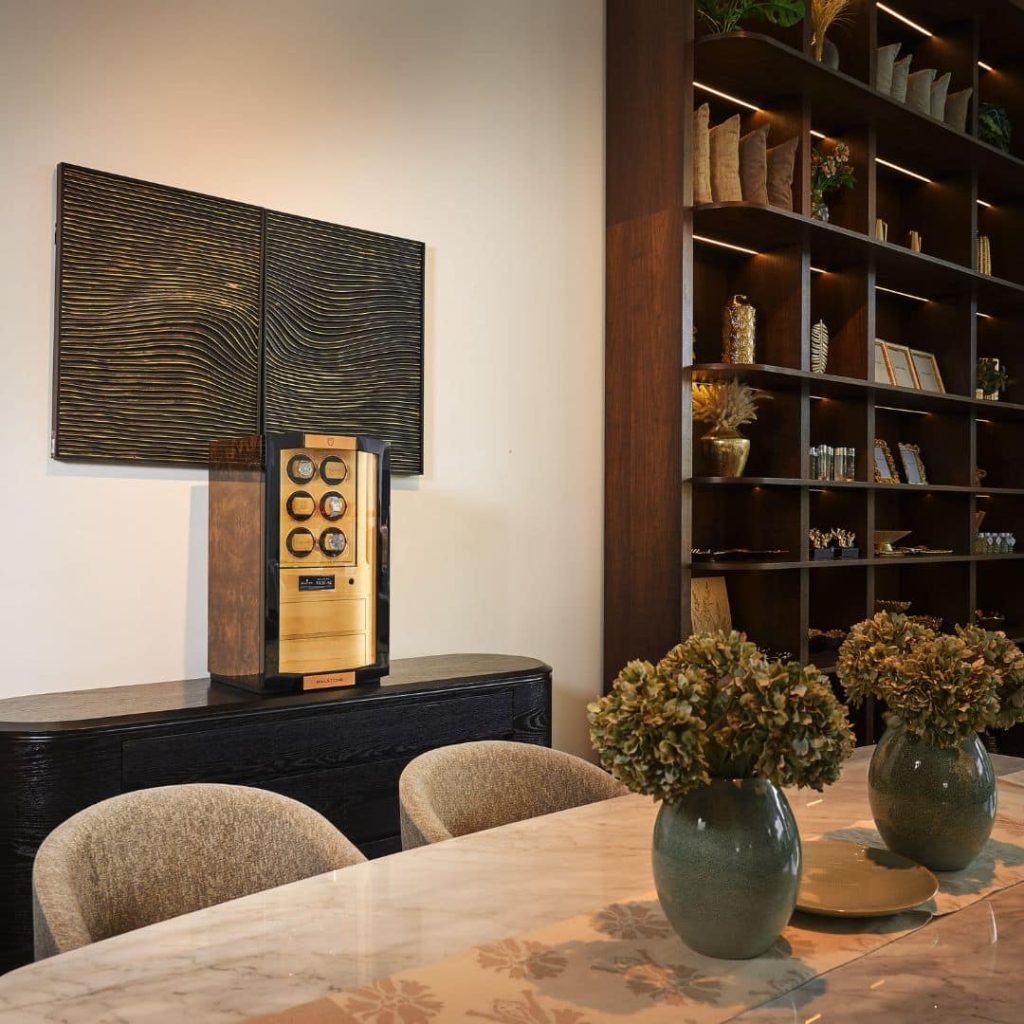
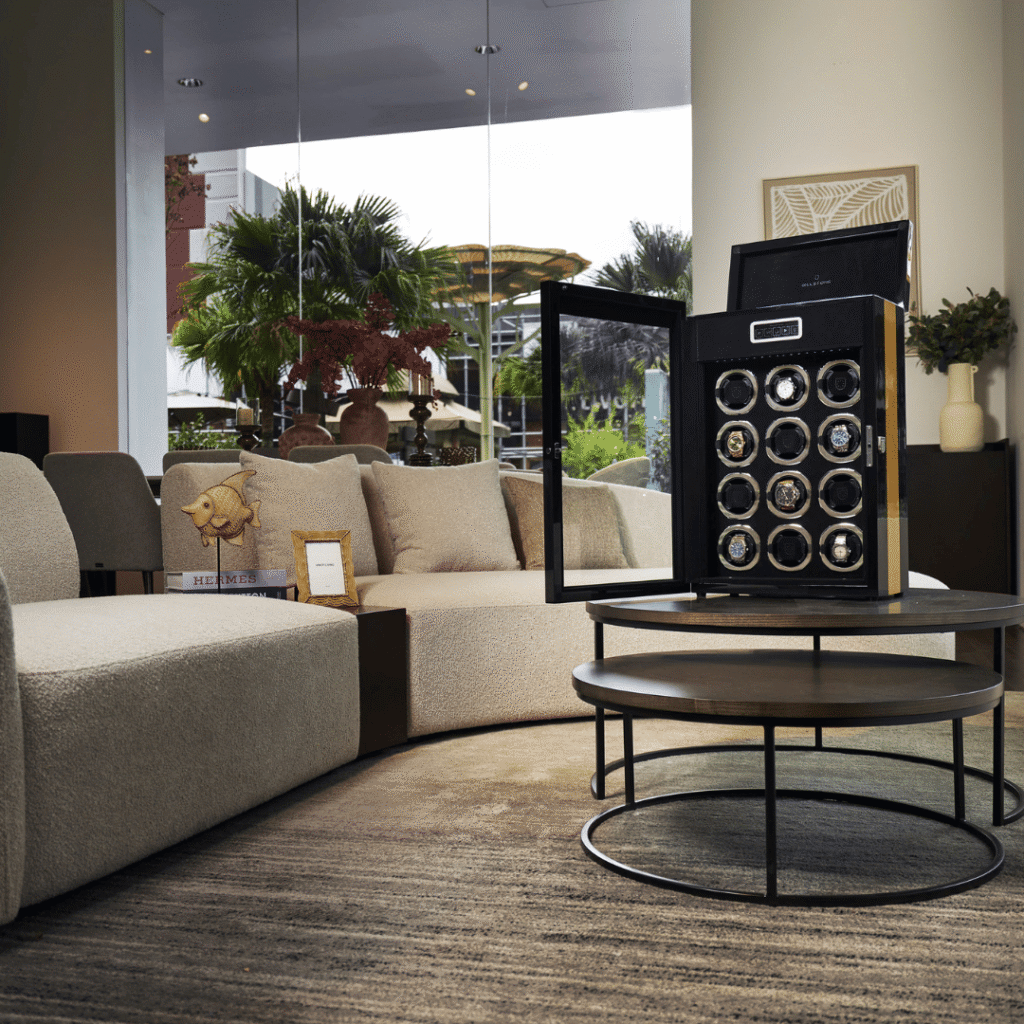
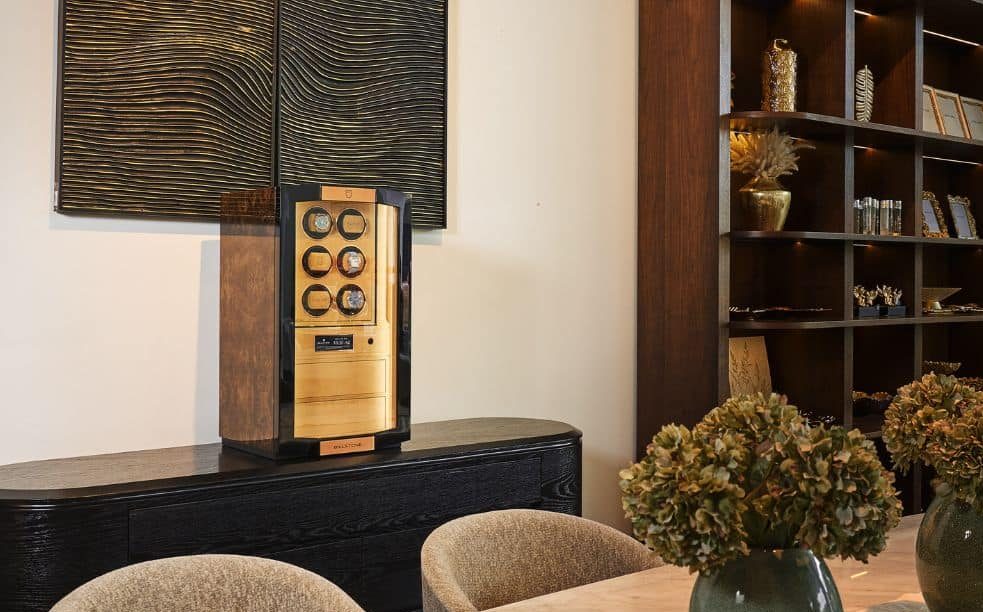
The Billstone Cairus Watch Winder is an option for collectors looking for a dedicated watch storage solution. It features a TFT touchscreen for convenient control, a velvet-lined drawer with dividers, and a removable tray. These features combine winding functionality with organized storage for watches and accessories.
Before using any winder, confirm that its available settings match the requirements of the specific watch you plan to store.
A watch winder does not normally overwind a modern automatic watch when it is functioning correctly and configured appropriately. The slipping mechanism in most automatic movements helps prevent excessive winding during normal operation.
However, incorrect settings, incompatible winding direction, or improper handling can still create problems. Always follow your watch manufacturer’s recommendations and choose a winder that suits your movement.
For collectors who regularly rotate between automatic watches, a compatible watch winder can make daily ownership more convenient. For others, wearing the watch regularly or winding it manually may be all that is needed.