If you own an automatic watch, you may have wondered whether you need a watch winder to keep it running when you are not wearing it.
Watch winders are commonly associated with automatic watches, but that does not mean every automatic watch needs a watch winder.
In fact, an automatic watch can function perfectly well without one. Whether a winder is useful depends largely on how often you wear the watch, how many watches you own, and whether you want your timepiece to remain running while it is stored.
Here is what you need to know before deciding whether a watch winder belongs in your collection.
An automatic watch is a mechanical watch that uses the movement of the wearer’s wrist to wind its mainspring.
Inside the watch is a rotor that moves as the watch is worn. This movement transfers energy to the mainspring, allowing the watch to continue operating.
Unlike a quartz watch, an automatic watch does not rely on a conventional battery for its primary timekeeping mechanism.
However, an automatic watch does not run indefinitely when it is not being worn.
Once the stored power in the mainspring is depleted, the watch will stop.
A watch winder is a device designed to simulate the movement of the wrist.
The watch is placed onto a rotating mechanism that moves it according to a programmed winding cycle.
The purpose is relatively simple: to help maintain the watch’s power reserve while it is not being worn.
This can be useful for collectors who want a watch to remain ready to wear without having to manually reset it after every period of inactivity.
An automatic watch does not need a watch winder simply because it is automatic.
If you own one automatic watch and wear it almost every day, your normal wrist movement may provide all the winding it needs.
Even if the watch stops after being left unworn, you can generally wind and reset it when you decide to wear it again, following the manufacturer’s instructions.
A watch winder is therefore better understood as a convenience and storage accessory, rather than a mandatory piece of equipment for automatic watches.
A watch winder becomes more useful when your wearing habits make manually resetting your watch inconvenient.
This is one of the most common reasons collectors use watch winders.
If you own several automatic watches but can only wear one at a time, some of your watches may spend days or weeks unworn.
A watch winder can keep selected watches running while they are stored.
This can be particularly convenient if you frequently rotate between different watches.
Some mechanical watches have complications such as calendars or other settings that can take more time to adjust.
If the watch stops, resetting these functions may be more inconvenient than simply resetting the time.
In this situation, keeping the watch running can provide a practical benefit.
However, always follow the manufacturer’s instructions when adjusting complicated functions.
Some collectors simply prefer to pick up a watch and wear it immediately.
If you rotate watches frequently, a winder can help maintain that convenience for compatible automatic watches.
There are also situations where buying a winder may not provide much benefit.
If your automatic watch is regularly on your wrist, there may be little reason to keep it on a winder.
Your wrist is already providing the movement required to wind the watch.
If your watch stops after several days of inactivity and you are comfortable winding and resetting it, a watch winder may not be necessary.
For some collectors, manually starting their watch is simply part of the ownership experience.
Owning a single automatic watch does not automatically justify purchasing a winder.
If you wear it regularly, conventional storage can be sufficient when the watch is not on your wrist.
A watch winder is not inherently harmful to an automatic watch.
However, the winder should be appropriate for the specific movement and configured correctly.
Automatic watches can have different winding requirements, so users should pay attention to factors such as turns per day (TPD), rotation direction, and winding intervals.
The goal is not to keep the watch rotating constantly.
A suitable winder should provide controlled movement that is appropriate for the watch.
When in doubt, consult the manufacturer’s specifications for your particular movement.
TPD stands for turns per day.
It describes approximately how many rotations a watch receives during a 24-hour period while placed on a watch winder.
TPD is important because different automatic movements can have different winding characteristics.
A winder with adjustable settings gives you greater flexibility than one that operates using a single fixed rotation pattern.
Before setting your watch on a winder, identify the movement and check the recommended winding specifications.
Not necessarily.
There is no universal rule that says an automatic watch should remain on a winder 24/7.
If you are not going to wear the watch for an extended period, conventional storage may be perfectly appropriate.
If you want the watch to remain ready to wear, however, a winder can be convenient.
The important point is to use the winder because it serves a purpose in your routine, rather than assuming that an automatic watch must always be rotating.
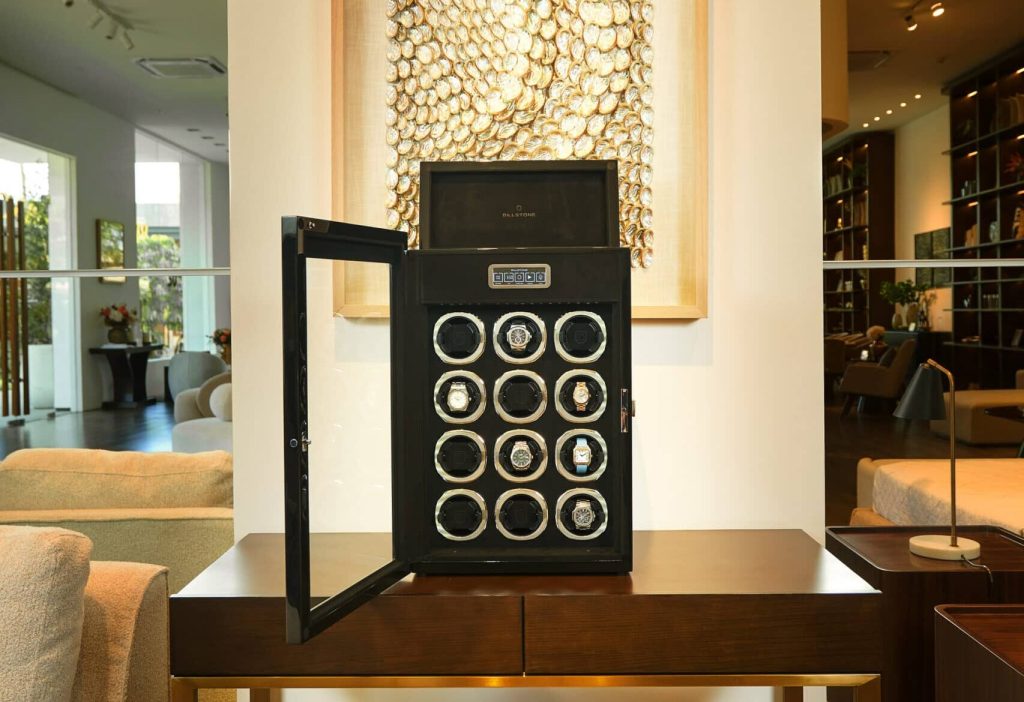
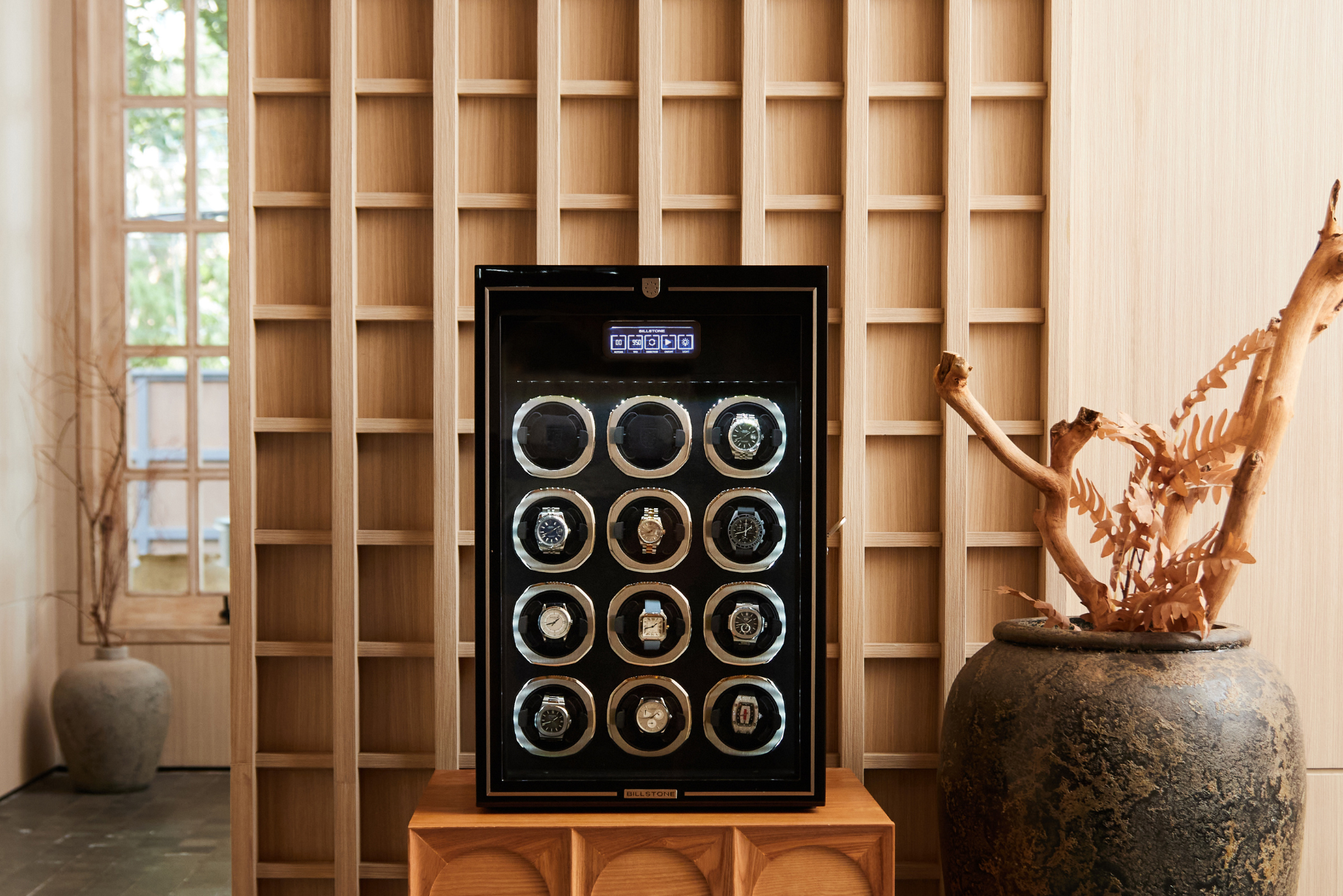
For collectors who decide that a watch winder fits their lifestyle, the Billstone Northcraft Watch Winder is designed to combine automatic watch winding with dedicated storage.
Rather than functioning only as a rotating mechanism, the Northcraft provides a structured space where automatic watches can be stored while being wound.
This makes it particularly useful for collectors who rotate between several automatic watches and want selected pieces to remain ready to wear.
The Northcraft is available in configurations designed for multiple watches, allowing collectors to choose a setup based on the size of their collection.
Selected models also feature fingerprint access, adding an additional security feature for valuable timepieces.
If you decide to purchase a winder, don’t choose one based only on appearance.
Consider whether it provides the functionality your watch actually requires.
Look for:
Adjustable winding settings
The ability to control the winding routine gives you more flexibility for different movements.
Appropriate rotation direction
Check whether the winder supports the direction required by your automatic movement.
Suitable TPD settings
Adjustable turns-per-day settings can help you configure the winder according to the manufacturer’s recommendations.
Secure watch support
The watch should remain properly positioned on its cushion while the mechanism rotates.
Reliable operation
A consistent motor and stable construction are important for long-term use.
Suitable storage capacity
If you own multiple watches, consider a winder that can accommodate your collection without overcrowding.
A watch winder and a watch box serve different purposes.
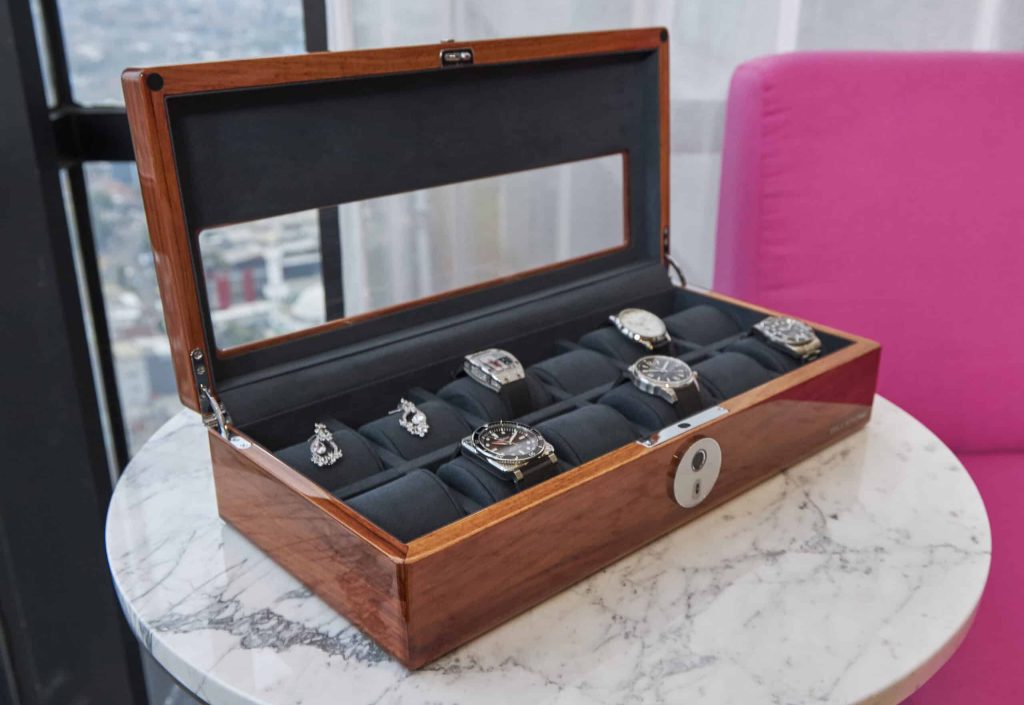
A traditional watch box is primarily designed for storage and organization. It gives each watch its own compartment and protects the collection while it is not being worn.
A watch winder adds another function: maintaining the operation of compatible automatic watches.
You therefore don’t necessarily have to choose one or the other.
A collector may use a watch box for watches that are not currently in rotation and a watch winder for selected automatic watches that they want to keep running.
A watch winder is specifically relevant to automatic mechanical watches.
A manual-wind mechanical watch is wound by hand and does not need a rotating winder to maintain its power.
Quartz watches, meanwhile, operate using a battery or another quartz-based power system and do not require a watch winder.
This is another reason why understanding the movement inside your watch is important before purchasing a winder.
An automatic watch can be stored safely without a winder, and many owners may never need one.
A watch winder becomes useful when you own multiple automatic watches, frequently rotate between them, have complicated functions that you prefer not to reset, or simply want selected watches to remain ready to wear.
If those benefits match your lifestyle, the Billstone Northcraft Watch Winder offers a dedicated solution that combines automatic watch winding and organized storage.
The key is to choose a winder based on the requirements of your watch not simply because you own an automatic timepiece.
A watch winder should make watch ownership more convenient. It should not be treated as a requirement for every automatic watch.