Automatic watches are designed to run through the natural movement of your wrist. Unlike quartz watches that rely on batteries, automatic watches use a mechanical system powered by a mainspring. But what happens when you stop wearing one for a few days?
If your automatic watch stops after being left unused, it is usually a normal part of how the movement works. Understanding why this happens can help you care for your watch properly and decide whether a watch winder is useful for your collection.
Automatic watches use a self-winding mechanical movement. Inside the watch, a weighted component called a rotor moves as your wrist moves. This motion transfers energy to the mainspring, which stores the energy needed to keep the watch running.
As long as the watch receives sufficient winding and the movement is functioning correctly, it can continue to operate without a battery.
However, automatic watches do not generate unlimited energy. The mainspring has a limited energy reserve, commonly known as the power reserve.
There are several reasons an automatic watch may stop when it is not being worn.
The most common reason is that the watch has exhausted its power reserve. Once the mainspring runs down, it no longer provides enough energy to keep the movement operating.
Power reserve varies by model. Some watches run for approximately 40 hours, while others can operate for several days when fully wound. The exact duration depends on the watch’s movement and specifications.
For example, if your watch has a 40-hour power reserve and you leave it untouched for two days, it may stop before you wear it again.
An automatic watch relies on wrist movement to replenish its stored energy. If you wear it for only a short time or remain relatively inactive, it may not receive enough movement to maintain a full power reserve.
This does not necessarily indicate a problem with the watch. It may simply need additional winding according to the manufacturer’s instructions.
Collectors who own several automatic watches may wear a different watch every day. As a result, the watches left in storage gradually lose their stored energy and eventually stop.
When you want to wear one of these watches again, you may need to reset the time and date, depending on the model.
This can become inconvenient if you frequently rotate between watches or own models with more complicated calendar functions.
Although stopping is often normal when the power reserve runs out, an automatic watch that stops repeatedly while being worn may require attention.
Insufficient winding, an issue with the movement, or a maintenance problem could affect its operation. If your watch stops unexpectedly despite adequate winding and regular wear, consult a qualified watchmaker or authorized service center.
Generally, an automatic watch stopping because its power reserve has run out is not inherently harmful. Mechanical watches are designed to stop when their stored energy is depleted.
However, repeatedly leaving a watch unused may be inconvenient, especially if you need to reset the time and date before wearing it again.
The more important considerations are following the manufacturer’s care instructions, maintaining the watch when necessary, and storing it in an appropriate environment away from unnecessary impacts, excessive moisture, and extreme temperatures.
You do not need to keep every automatic watch running continuously just because it has stopped.
There are several ways to maintain the power reserve of an automatic watch, depending on your wearing habits.
Regular wrist movement helps the rotor replenish the mainspring. If you wear the same watch most days, this may be sufficient to keep it running, depending on your activity and the watch’s power reserve.
Many automatic watches can also be wound manually through the crown. Follow the manufacturer’s instructions to wind your watch correctly and avoid unnecessary adjustments that could affect the movement.
A watch winder rotates an automatic watch according to selected winding settings. This movement helps maintain its power reserve while the watch is not being worn.
A watch winder can be especially useful for collectors who rotate between several automatic watches or want certain watches to remain ready to wear.
However, not every automatic watch owner needs one. If you wear one watch daily or do not mind resetting a watch after it stops, manual winding may be enough.
Before using a watch winder, check your watch’s recommended turns per day (TPD) and winding direction. Not all movements have identical requirements, so choosing appropriate settings is important.
When selecting a watch winder, consider the number of watches you own, their winding requirements, and how frequently you rotate between them.
A suitable watch winder should offer appropriate winding settings and secure support for your watch. It should also fit your storage preferences and the size of your collection.
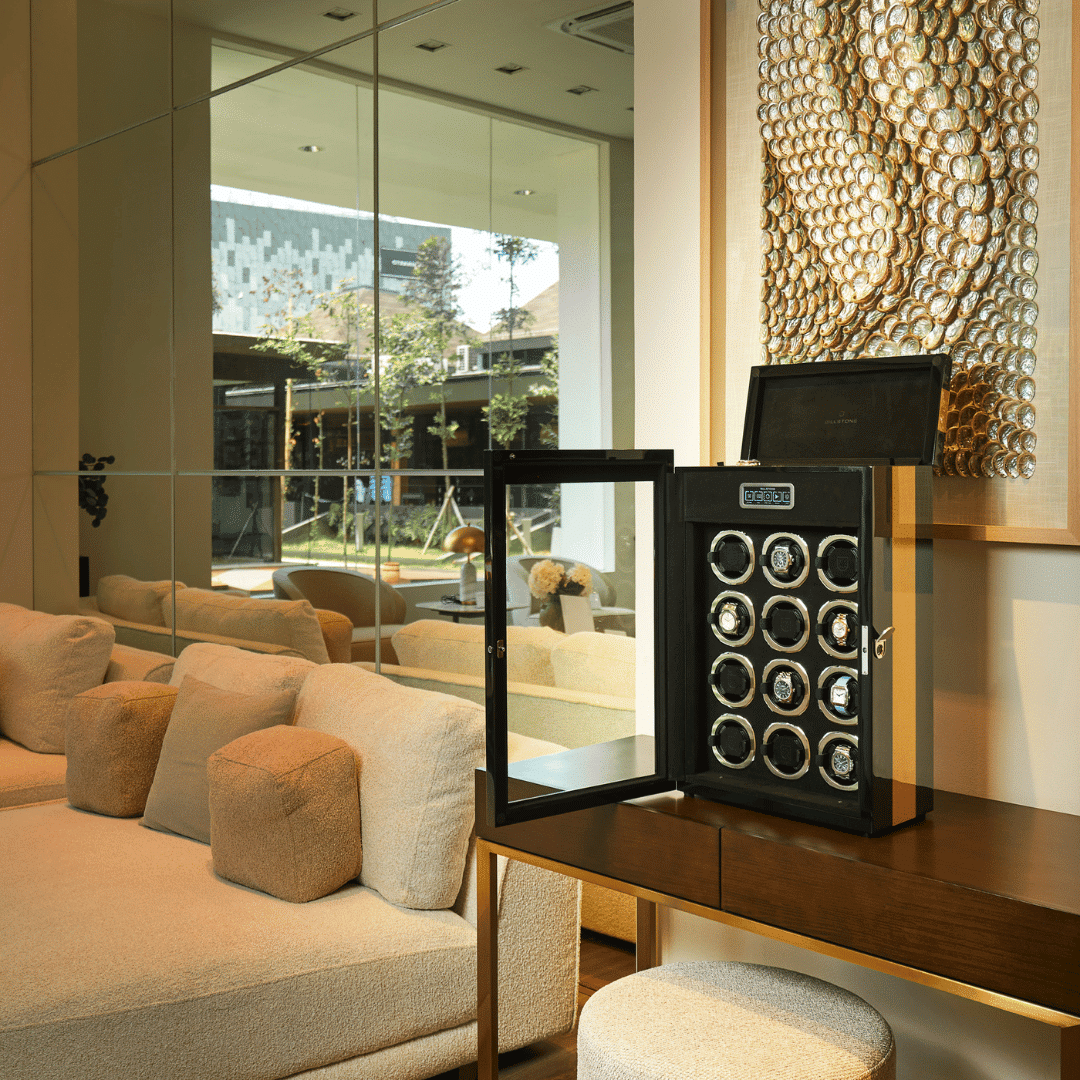
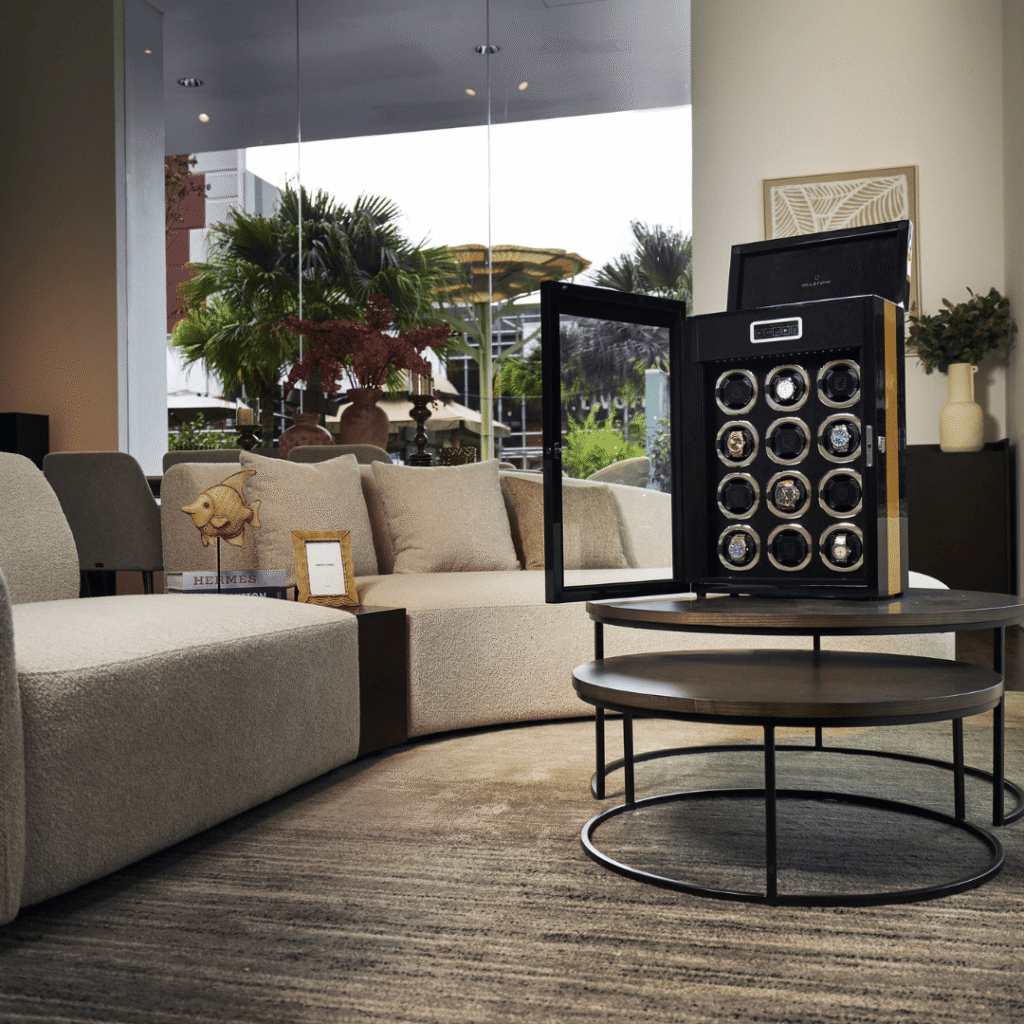
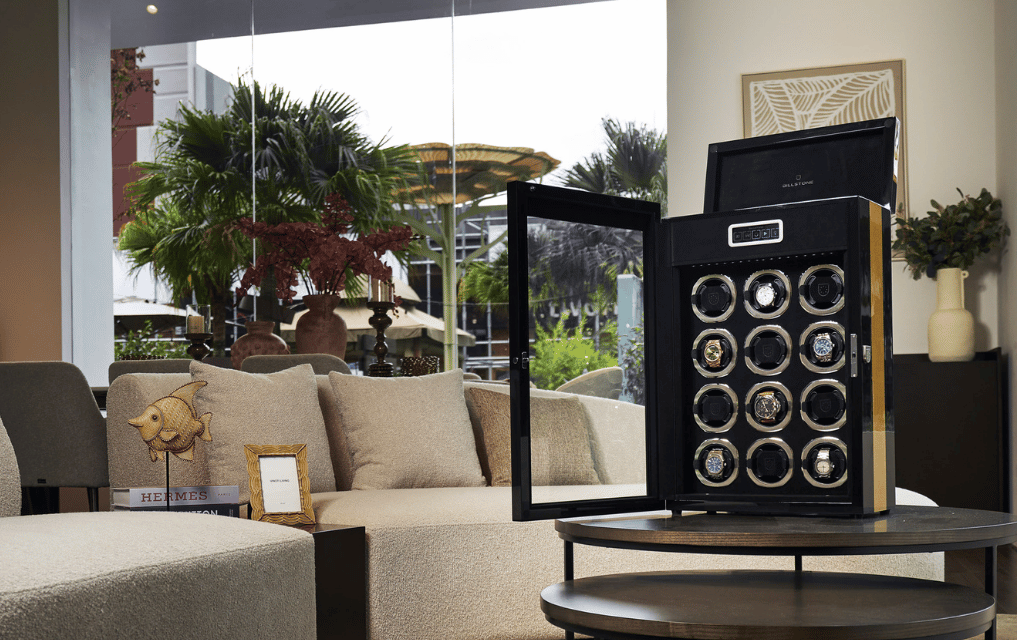
For collectors looking for a dedicated storage solution, the Billstone Northcraft Watch Winder is an option to consider. Its LCD controls allow users to adjust winding direction and turns per day, while its fingerprint lock and mechanical security knob provide layered access security. Its design also includes a removable tray for storing accessories.
As with any watch winder, confirm that the available settings are compatible with the specific automatic watch you intend to store.
Automatic watches stop when they are not worn because their mainsprings eventually run out of stored energy. This is a normal characteristic of mechanical watch movements and does not automatically mean the watch is damaged.
If you wear your watch regularly, manual winding and ordinary use may be sufficient. If you own several automatic watches and frequently switch between them, a watch winder can help keep selected watches ready to wear.
The best approach depends on your watch’s specifications, your collection size, and your personal routine.