
Understanding Watch Calibers and Their Needs
Automatic watches are powered by intricate mechanical movements known as calibers. Each caliber is designed with specific technical characteristics, including how it winds, how much energy it stores, and how it maintains accuracy. Because of these differences, not all watches respond the same way to a standard watch winder.
This leads to a common question among collectors: do you really need a caliber-specific watch winder, or is a general-purpose model enough?
To answer this, it is important to understand how automatic watches function. They rely on the motion of the wrist to wind the mainspring, storing energy that keeps the watch running. A watch winder replicates this motion through controlled rotations, ensuring the watch remains powered when not in use.
However, each watch caliber has its own preferred winding direction and required number of turns per day (TPD). Ignoring these differences can affect performance over time.
Why Caliber Differences Matter
Not all automatic movements are created equal. Some watches wind efficiently in both directions, while others are designed to wind only in one direction—either clockwise or counterclockwise.
Additionally, the required TPD can vary significantly. Some calibers require as few as 500 turns per day, while others may need 800 or more. Using incorrect settings may result in the watch not being fully wound or, in rare cases, being subjected to unnecessary wear.
Understanding these differences is the foundation for deciding whether a caliber-specific approach is necessary.
The Common Misconception About Caliber Watch Winders
Many collectors assume that each watch caliber requires its own dedicated watch winder. This is where the concept of a “caliber watch winder” can become misleading.
In reality, most collectors do not need multiple specialized devices. What they need is a single watch winder that can be adjusted to match different caliber requirements.
The Risks of Using a Generic Watch Winder
Many entry-level watch winders operate on fixed settings, offering little to no customization. While they may work for some watches, they are not ideal for collectors with diverse collections.
Overwinding Concerns
Modern automatic watches are generally designed with mechanisms that prevent overwinding. However, constantly running a watch on excessive TPD settings can still lead to unnecessary strain on internal components over time.
This is particularly relevant for high-end watches with complex movements, where precision and longevity are critical.
Underwinding Issues
On the opposite end, insufficient winding can cause a watch to stop or lose accuracy. This defeats the purpose of using a watch winder in the first place, as you will still need to reset the time and date frequently.
Underwinding is a common issue when using a generic watch winder that does not meet the specific requirements of a particular caliber.
Inconsistent Performance
Without the ability to adjust settings, a generic watch winder may produce inconsistent results across different watches. Some may run perfectly, while others may not perform as expected.
For collectors with multiple brands and models, this inconsistency can become frustrating.
The Advantages of Adjustable Watch Winders
Rather than relying on a strictly caliber-specific watch winder, most experts recommend choosing a high-quality winder with adjustable settings. This approach offers flexibility while still accommodating the needs of different calibers.
Customizable Turns Per Day
An adjustable watch winder allows you to set the appropriate TPD for each watch. This ensures that every timepiece receives the correct amount of winding, maintaining optimal performance.
With the right settings, you can replicate natural wrist movement more accurately, reducing stress on the watch mechanism.
Directional Control
The ability to choose between clockwise, counterclockwise, or bi-directional rotation is essential for compatibility with different calibers.
This feature ensures that even watches with specific winding requirements are properly maintained.
Future-Proof Investment
A customizable watch winder is a long-term investment. As your collection grows, you may acquire watches with different calibers and requirements. An adjustable winder eliminates the need to purchase separate devices for each watch.
It provides a versatile solution that adapts to your evolving collection.
Do You Really Need a Caliber-Specific Watch Winder?
In most cases, the answer is no you do not need a watch winder designed for a single specific caliber. Instead, what you need is a versatile and well-engineered watch winder that can be adjusted to suit various calibers.
A caliber-specific winder might seem like a precise solution, but it lacks flexibility. It is only useful for one type of movement, making it impractical for collectors with multiple watches.
On the other hand, an adjustable watch winder provides the same level of precision while offering greater convenience and adaptability.
When a Specific Approach Might Help
There are rare cases where a collector owns multiple watches with identical calibers and prefers a dedicated setup. In such situations, a fixed-setting winder tailored to that caliber could be sufficient.
However, even in these cases, having adjustable settings remains beneficial for fine-tuning performance.
How to Choose the Right Watch Winder
When selecting a watch winder, focus on features that provide both precision and flexibility.
Look for Programmable Settings
Ensure the watch winder offers adjustable TPD and rotation direction. This is the most important feature for accommodating different calibers.
Prioritize Build Quality
A high-quality watch winder should be constructed from durable materials and equipped with reliable components. This ensures consistent performance over time.
Consider Noise Levels
Silent operation is essential, especially if the winder will be placed in a bedroom or office. High-end models are designed to operate quietly without compromising performance.
Evaluate Capacity
Choose a watch winder that matches your current collection while allowing room for future growth.
Recommended Watch Winder from Billstone

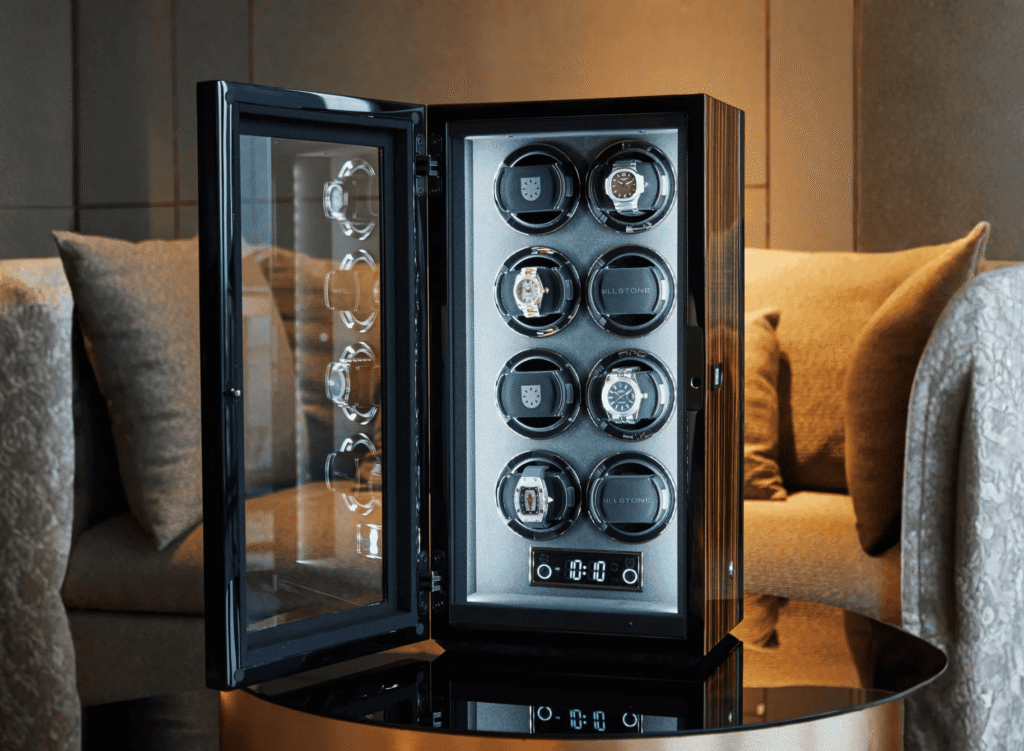
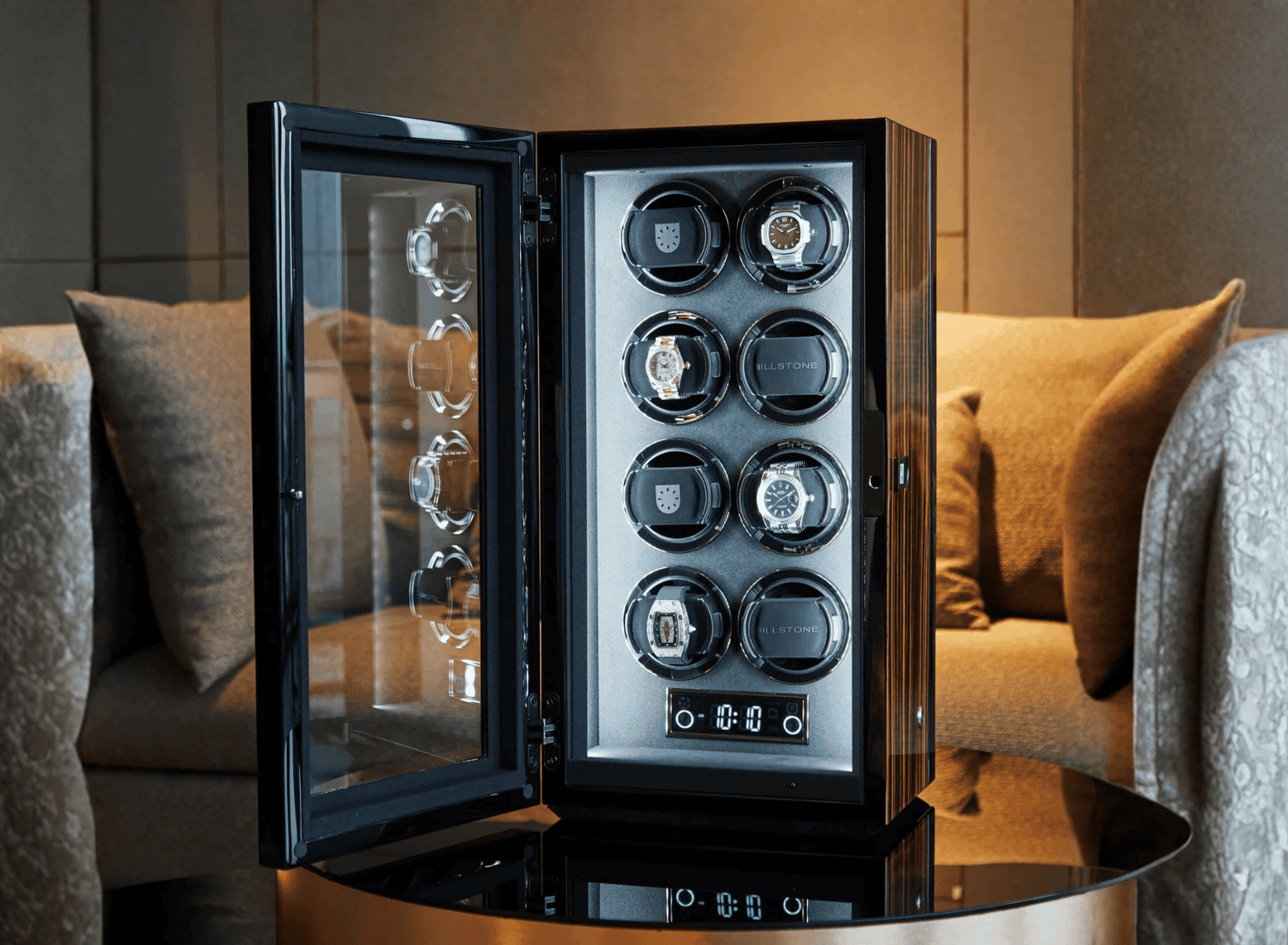
For collectors seeking flexibility and precision, Billstone offers watch winders designed to handle a wide range of calibers. A strong recommendation is the Fusion 8 Fingerprint Macassar Wood. This model combines elegant design with advanced functionality, making it suitable for both beginners and experienced collectors.
It features customizable rotation settings, allowing you to adjust both TPD and direction to match different watch calibers. The fingerprint lock adds an extra layer of security, while the silent motor ensures smooth and quiet operation.
With its balance of technology, design, and reliability, this watch winder provides an ideal solution for maintaining a diverse watch collection.
Conclusion
The idea of a caliber specific watch winder may seem appealing, but it is not necessary for most collectors. What truly matters is having a watch winder that offers adjustable settings and reliable performance. By understanding the needs of different watch calibers, you can make informed decisions about how to care for your collection. An adjustable watch winder provides the flexibility to accommodate various movements, ensuring that each watch is properly maintained.
Investing in a high quality watch winder not only protects your watches but also enhances your overall collecting experience. It allows you to enjoy your timepieces without the hassle of constant resetting, while also preserving their precision and longevity. In the end, the best solution is one that combines versatility, quality, and thoughtful design giving you confidence that your watches are always in good hands.